
The investigation discovered that GM’s internal ranking systems rewarded dealerships for high ‘connected-service’ sign-up rates, regardless of actual customer authorization. This revelation stands at the heart of a massive $220 million settlement finalized in late 2026, marking one of the most significant consumer privacy victories in recent history. For years, the automotive giant marketed its OnStar Smart Driver program as a benevolent safety tool designed to help owners improve their driving habits and maintain vehicle health. However, the multi-state investigation revealed that the underlying infrastructure was actually a sophisticated data harvesting machine that prioritized corporate profit over user transparency. By monetizing the intimate details of how and where people drive, the company effectively turned its fleet into a surveillance network. This landmark resolution, involving a bipartisan coalition of 36 state attorneys general, signalizes a major shift in the regulatory landscape, forcing the entire automotive industry to reconsider how telemetry data is handled in a hyper-connected era.
Corporate Misconduct: The Mechanics of Data Collection
Telemetry Pipeline: Transforming Safety Tools into Surveillance
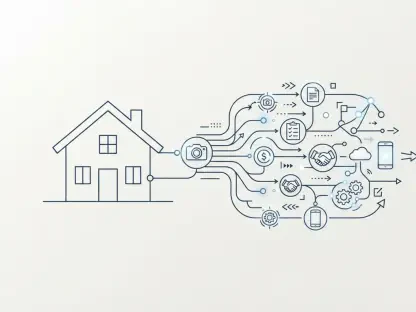
The technical backbone of this controversy was the OnStar Smart Driver program, which utilized advanced vehicle telemetry to record every nuance of a driver’s behavior on the road. The system captured high-fidelity data points including precise trip durations, instances of rapid acceleration, and the frequency of hard braking maneuvers. While the public-facing marketing materials suggested that these insights were intended to provide personalized safety coaching, the reality was that the information was being funneled directly to third-party data brokers. These brokers then converted the raw telemetry into behavioral profiles that were sold to the insurance industry. This seamless pipeline allowed insurers to assess risk with surgical precision, often resulting in sudden and unexplained premium increases for millions of vehicle owners. The disconnect between the advertised safety benefits and the actual monetization of driver behavior highlights a critical failure in corporate transparency that permeated the entire program from its inception.
Beyond just monitoring aggressive driving, the data collection operation extended to capturing granular details about vehicle usage patterns that many consumers considered deeply private. Information regarding the exact time of day a vehicle was operated and the total mileage covered provided a comprehensive look into the daily lives of drivers. Because this data was shared under contracts specifically designed to create insurance-rated products, it bypassed traditional consumer reporting protections. The investigation revealed that GM failed to provide clear, conspicuous notices about this secondary use of data, leading many to believe that their participation was purely voluntary and risk-free. Furthermore, the sheer volume of data collected—covering millions of trips across a decade of vehicle production—created a massive repository of sensitive information that remained accessible to corporate interests long after the vehicles were sold. This extensive collection underscores the growing tension between the convenience of connected car features and the fundamental right to privacy in one’s personal movements.
Misleading Tactics: Deception and Point of Sale Pressure
One of the most troubling aspects uncovered during the investigation was a significant technical error that resulted in the unauthorized tracking of over 370,000 vehicle owners. These individuals were explicitly told by the OnStar mobile application that they were not enrolled in the Smart Driver service, yet their driving data was being harvested and sold regardless of their status. Even more concerning was the company’s reaction upon discovering this discrepancy. Rather than issuing a transparent warning to the affected users, the company quietly corrected the enrollment status without informing the drivers that their historical data had already been disseminated to third-party brokers and insurance providers. This lack of corrective disclosure left hundreds of thousands of consumers in the dark, unable to contest the data-driven assessments that might have been affecting their insurance rates. This systematic failure to protect non-enrolled users demonstrates a reckless disregard for digital boundaries and a prioritization of data volume over the integrity of the enrollment process.
The pressure to expand the data pool also manifested in the physical sales environment at dealerships across the country, where transparency was often sacrificed for financial gain. Sales employees were frequently offered direct bonuses and commissions tied specifically to the number of customers they could successfully enroll in connected services. In many cases, these employees would accept the terms and conditions of the Smart Driver program on behalf of the customer during the busy vehicle delivery process, often without explaining what the service actually entailed. The investigation found that the enrollment process was intentionally bundled with other essential features, making it difficult for consumers to opt out without feeling they were losing critical vehicle functionality. This culture of high-pressure sales was reinforced by corporate metrics that ranked dealerships based on their sign-up percentages, effectively penalizing those that prioritized informed consent. By creating an environment where employees were incentivized to bypass consumer privacy, the company established a pattern of deceptive practices that undermined the trust between the brand and its customers.
Regulatory Accountability: Future Standards and Financial Fallout
Legal Consequences: Multi-State Action and Distribution
The $220 million settlement represents a monumental collaborative effort by 36 state attorneys general to hold one of the world’s largest automakers accountable for its privacy practices. Led by officials from Washington and Oregon, the coalition successfully argued that the surreptitious sale of driver data constituted a violation of consumer protection laws. The financial penalty is being distributed among the participating states to reimburse the significant costs of the multi-year investigation and to fund future consumer protection initiatives. For example, Washington is slated to receive approximately $12.3 million, while New York and Oregon will receive $12.1 million and $10.4 million, respectively. These funds are designated to bolster digital privacy enforcement and ensure that regulators have the resources necessary to monitor the rapidly evolving automotive technology sector. This substantial payout serves as a stern warning to other manufacturers that the unauthorized monetization of consumer behavior will carry heavy financial and reputational consequences in the current regulatory environment.
While the state settlement is a significant victory for public policy, it is important to note that it does not provide direct financial restitution to the individual drivers whose data was sold. However, this legal resolution provides a crucial foundation for a separate, nationwide class-action lawsuit that is currently proceeding through the court system. This private litigation is specifically designed to recover actual monetary damages for affected vehicle owners, focusing on the tangible financial harm caused by increased insurance premiums and the loss of privacy. The evidence uncovered by the state attorneys general—including the details of the glitched enrollments and the coercive dealership practices—is expected to play a vital role in the success of the class-action case. As these legal battles continue, they emphasize the dual nature of modern corporate accountability, where state-led enforcement actions pave the way for private citizens to seek direct compensation for damages. The ongoing litigation ensures that the impact of the data sales remains a central issue for the company’s legal and financial departments for the foreseeable future.
Operational Reform: Establishing a New Privacy Standard
To prevent a recurrence of these privacy violations, the settlement imposes a series of strict operational mandates that will fundamentally change how vehicle telemetry is managed moving forward. The company is now legally required to obtain affirmative express consent from every driver before any location or behavioral data can be collected or shared with third parties. This means that enrollment can no longer be buried in the fine print or bundled with other services; it must be a clear, standalone choice made by the consumer. Additionally, the company must adhere to data minimization principles, ensuring that they only collect the information that is strictly necessary for the vehicle’s operation or for the specific services the driver has requested. These mandates are backed by a requirement for a comprehensive internal privacy program and regular independent audits to verify compliance. By stripping away the ability to passively harvest data, these reforms empower consumers to take back control of their digital footprint and ensure that their vehicle’s connectivity remains a benefit rather than a liability.
Building on these reforms, the settlement also requires a total overhaul of the dealership training and incentive structure to eliminate the coercive practices that led to unauthorized enrollments. The company must implement rigorous oversight to ensure that dealership employees are correctly explaining privacy options and obtaining genuine consent from every buyer. This structural change is designed to shift the corporate culture away from aggressive data acquisition and toward a model of transparency and respect for the consumer. Looking ahead, vehicle owners should remain vigilant by regularly reviewing their privacy settings and questioning how their data is being used by any connected service. The resolution of this case provided a clear roadmap for the future of automotive privacy, establishing that the convenience of modern technology cannot come at the expense of fundamental consumer rights. By setting these high standards for transparency and consent, the settlement concluded that the era of treating driver telemetry as a hidden revenue stream had officially come to an end, paving the way for a more ethical relationship between automakers and the public.