
General contractors are increasingly leveraging historical performance data from unified digital platforms to select lower-risk subcontractors and improve overall site safety profiles. This movement represents a fundamental departure from the legacy methods that long defined the construction sector, where risk management was largely a defensive exercise triggered by unfortunate events. In the current landscape of 2026, the industry has pivoted toward a model of constant awareness, utilizing massive streams of information to anticipate failures before they occur on the job site. This evolution is driven by the realization that construction projects are no longer just physical endeavors but are now deeply integrated digital operations. The shift toward digital maturity allows firms to move past the traditional reliance on periodic manual inspections, which often failed to capture the dynamic and rapidly changing conditions of a high-scale build. By centralizing data from every corner of a project—from the initial architectural renderings to the final walkthrough—companies are gaining a comprehensive view of their risk exposure. This transformation, while offering significant benefits in terms of safety and financial stability, also requires a new level of strategic coordination among all stakeholders, from project managers to field staff.
Transitioning to Proactive Hazard Detection
One of the most significant impacts of artificial intelligence in construction is its ability to provide early intervention through sophisticated computer vision. By analyzing live feeds from cameras, drones, and wearable devices, AI systems can spot unsafe behaviors faster than any human supervisor. For instance, these systems are now capable of identifying when a worker is neglecting personal protective equipment or when an unauthorized individual enters a restricted high-voltage zone. This constant, automated vigilance ensures that management can intervene immediately, preventing minor lapses in safety protocol from escalating into life-threatening incidents. Furthermore, the ability to prioritize the highest-risk exposures in real-time allows supervisors to focus their limited attention on the most critical areas of a project, effectively scaling their impact across massive job sites. This technology acts as a force multiplier for safety officers, ensuring that the fundamental principles of field supervision are applied more consistently and with greater precision than ever before.
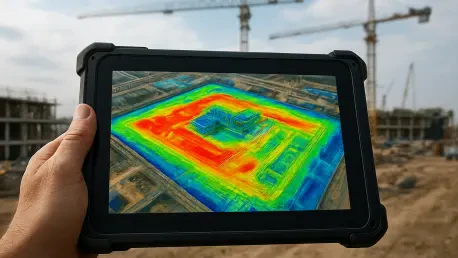
Beyond immediate physical safety, AI is playing a critical role in quality control and the long-term prevention of construction defects. Through the use of digital twins and detailed imagery analysis, modern technology can detect if a physical installation deviates from the original architectural plans in its early stages. Catching these discrepancies during the infancy of a project prevents the compounding effect of construction defects, which have historically been a leading cause of expensive litigation and the need for significant rework. When a system identifies that a structural component is mere millimeters out of alignment, the problem can be corrected before subsequent layers of construction hide the error from view. This proactive approach to quality not only protects the financial integrity of the project but also ensures that the final structure meets the highest standards of engineering excellence. By integrating these automated checks into the daily workflow, firms are significantly reducing the liability associated with long-term structural failures and insurance claims.
Leveraging Data Analytics to Break Information Silos
Data in the construction industry has traditionally been fragmented, with schedules, weather reports, and safety logs stored in separate, disconnected systems. Modern predictive analytics platforms are now aggregating these disparate data points into a unified ecosystem to reveal hidden patterns that were previously impossible to see. For example, by linking localized weather data with labor logs, a system can alert managers when high-heat conditions and excessive overtime are combining to create a dangerous risk of worker exhaustion and heat-related illness. This level of insight allows for more nuanced decision-making, such as adjusting work schedules or increasing hydration breaks before a health crisis occurs. The integration of information across the entire lifecycle of a project ensures that safety is not treated as a separate administrative task but as an inherent component of operational efficiency. As these platforms continue to evolve, the ability to predict risk based on the convergence of multiple environmental and operational factors is becoming a standard requirement for competitive firms.
This holistic integration of data also allows for smarter resource allocation across multiple project sites within a large company’s portfolio. Instead of spreading safety personnel thin across every location, firms can use data to identify which specific tasks or projects are trending toward higher risk profiles and deploy specialized oversight where it is most needed. Furthermore, the creation of a robust data trail provides an objective and undeniable record of site conditions and safety controls. In the event of a insurance claim or a legal dispute, this transparency leads to faster and more equitable resolutions by providing photos, sensor logs, and video evidence of the mitigation efforts that were in place at the time of the incident. This shift toward factual, data-driven documentation reduces the administrative burden on adjusters and legal teams, allowing for a more streamlined claims process. By transforming raw data into actionable intelligence, construction firms are building a foundation of transparency that benefits owners, contractors, and insurance providers alike.
Expanding Site Visibility with Drone Technology
Drone technology has evolved from a simple photography tool into a cornerstone of modern risk management and site monitoring. Drones provide unprecedented access to high-elevation areas, complex facades, and restricted zones that would otherwise require dangerous scaffolding or expensive manual inspections. By providing a bird’s-eye view of the entire site, they allow project managers to verify that work is progressing in strict accordance with the planned schedule and safety protocols without putting human inspectors at risk of falls. The high-resolution imagery captured during these flights is often used to create 3D maps and point clouds that offer a degree of detail far beyond what can be achieved through ground-based observation. This expanded visibility ensures that the project team has a clear understanding of the site’s topography and the interaction between heavy machinery and ground crews. Consequently, potential bottlenecks or hazardous traffic patterns can be identified and rerouted before they lead to collisions or delays on the ground.
However, the effective use of drones necessitates a formal and rigorous governance program to prevent the technology itself from becoming a liability. Firms must navigate complex aviation regulations, ensure that all operators are properly trained and licensed, and establish strict data privacy protocols to protect the information being captured. When managed correctly, the data captured by drones feeds directly into the project’s digital twin, offering a permanent and searchable record of the construction process. This digital archive provides immense value to building owners long after the construction phase is completed, assisting with maintenance and future renovations. The transition of drones from a novelty to a standard operational tool reflects the industry’s broader commitment to using remote sensing technology to eliminate unnecessary physical risks. By removing the need for humans to enter the most hazardous areas of a site for routine checks, firms are directly reducing the frequency of the most common and severe types of construction accidents.
Managing the Ethical Implications of Workplace Monitoring
Despite the clear benefits of a connected job site, the adoption of AI and monitoring technologies introduces significant concerns regarding privacy and the ethical treatment of the workforce. The use of wearables and constant camera surveillance can strain the relationship between management and labor if the implementation is perceived as intrusive or purely for punitive purposes. To maintain trust and ensure long-term adoption, firms must be transparent about how data is being collected and used. It is essential to implement rigorous data protection measures to ensure that sensitive biometric or location information is not misused or exposed to unauthorized parties. Clear communication regarding the primary goal of these technologies—to keep workers safe and prevent accidents—is vital for fostering a collaborative environment. When workers understand that a wearable device is designed to alert them to a nearby hazard or a medical emergency, they are far more likely to embrace the technology as a beneficial tool rather than a surveillance mechanism.
There is also the critical issue of balancing professional judgment with automated output to avoid the pitfalls of algorithmic bias. AI should be viewed as a decision-support tool rather than a wholesale replacement for human expertise, as flawed data or narrow programming can lead to biased recommendations. For instance, if an algorithm is trained on historical data that disproportionately flags certain trades as higher risk without accounting for environmental context, it may lead to unfair treatment or overlooked hazards in other areas. Relying solely on an automated system without human verification risks perpetuating these historical biases or overlooking unique, site-specific variables that a seasoned superintendent would immediately recognize. Human oversight remains the final arbiter of safety, ensuring that technology serves to enhance, not diminish, the professional intuition and experience of the construction team. By maintaining a human-in-the-loop approach, firms can harness the speed of AI while grounding their decisions in the ethical and practical realities of the field.
Strengthening Operational Continuity Through Cyber Resilience
As construction sites become increasingly connected through the Internet of Things, cyber risk has transitioned from a back-office IT concern to a primary threat against physical site operations. A cyberattack in 2026 is no longer just about stolen data; it can result in significant physical disruption and danger. If a Building Information Model is held for ransom or a connected piece of heavy machinery is hijacked, the entire project can grind to a halt, posing a direct threat to both the timeline and the safety of everyone on-site. The interconnectedness of subcontractors and vendors also creates a complex web of third-party vulnerabilities, where a security weakness in a small supplier’s network can provide a backdoor into the general contractor’s or the owner’s systems. Because of this, cybersecurity must be woven into the very fabric of the project’s general risk management framework, treated with the same level of seriousness as fall protection or structural integrity.
The construction industry reached a consensus that building a smart site required building a resilient one, supported by specialized insurance partnerships. Modern insurance carriers provided more than just financial coverage; they offered access to forensic experts and incident response teams who helped firms navigate the technical and legal complexities of a breach. Organizations learned that early severity detection through AI could streamline the claims process, allowing managers to focus on strategic recovery rather than manual document review. By prioritizing cyber resilience alongside physical safety, firms protected their intellectual property and their operational continuity. This multifaceted approach to risk ensured that the pursuit of innovation did not come at the expense of security. Ultimately, the successful organizations of the era were those that combined advanced digital tools with robust governance and professional oversight, creating a safer and more predictable environment for the entire construction ecosystem.