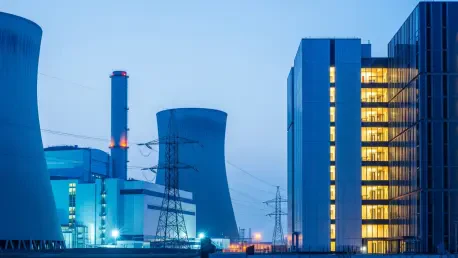

The meteoric rise of generative artificial intelligence has triggered a profound shift in global energy markets as silicon giants scramble to secure reliable carbon-free baseload power. This rapid evolution has transitioned from mere software innovation into a high-stakes race for physical energy resources. As data centers expand at a breakneck pace to support massive computational workloads, the limitations of the current power grid have emerged as a critical bottleneck. This surge in demand is fueling an atomic resurgence, positioning nuclear energy as a vital component of the modern infrastructure conversation.
Nuclear power stands out as the only carbon-free source capable of providing the constant, heavy-duty baseload energy that the digital revolution requires. Unlike traditional industrial shifts, this movement is driven by the immediate needs of hyperscale computing. Consequently, the reliance on nuclear assets is no longer just an environmental preference but a strategic necessity for maintaining the 24/7 uptime required by the world’s most advanced AI systems.
The Silicon Hunger for Atomic Power
The expansion of the digital economy has created a significant strain on existing electrical infrastructures, pushing the boundaries of what local grids can provide. Data centers, once considered secondary energy consumers, are now the primary drivers of localized energy demand spikes in tech hubs across the globe. This shift has forced developers to look beyond traditional power purchase agreements toward direct integration with energy generation facilities.
As these centers become larger and more energy-intensive, the focus has narrowed on the inherent stability of nuclear fission. The capability to generate immense amounts of power without the variability of weather-dependent sources makes nuclear plants the ideal neighbors for modern server farms. This proximity minimizes transmission losses and ensures that the immense processing power required for machine learning remains uninterrupted by external grid fluctuations.
Why the Tech Boom Is Recharging the Nuclear Sector
This pivot toward nuclear power is a direct response to projections showing that data center energy consumption could double by 2030. While renewable sources like wind and solar remain essential for broad decarbonization efforts, their intermittent nature presents challenges for the high-availability requirements of the tech sector. Utility providers and tech companies are increasingly seeking a combination of traditional large-scale reactors and next-generation Small Modular Reactors to maintain operational continuity.
Billions of dollars in new capital are flowing into a sector that was once considered stagnant or in decline. This influx of investment is not only revitalizing existing facilities but also accelerating the commercialization of modular technologies. These smaller reactors offer the promise of scalable, localized power that can be deployed closer to the data centers themselves, reducing the logistical hurdles associated with massive infrastructure projects.
Bridging the Protection Gap: Specialized Facilities
The unprecedented scale of modern nuclear projects requires a departure from fragmented, traditional insurance placements that often struggle to keep pace with capital-intensive developments. The strategic partnership between Markel International and Willis represents a significant shift toward dedicated capacity, offering end-to-end coverage that spans the entire project lifecycle. This unified approach provides a streamlined solution for developers who previously had to navigate a patchwork of different policies.
By offering flexibility through quota share or excess of loss structures, these specialized facilities allow developers to customize their risk appetite based on their financial standing. This bespoke protection covers everything from the initial construction risks to long-term commercial operation, including business interruption and property damage. In an increasingly complex technological landscape, having a single, robust facility reduces administrative friction and enhances the bankability of new nuclear ventures.
Geopolitical Volatility: The Shifting Risk Landscape
Underwriting the nuclear sector has become more complex as the risk profile moves beyond mechanical failure to include modern geopolitical threats. Recent incidents, such as the drone strike on the Barakah Nuclear Power Plant in the UAE, serve as a stark reminder of the vulnerability of energy infrastructure to unconventional warfare. These events highlight the need for coverage that accounts for physical security in an era of rapidly evolving tactical technologies.
Expert data confirms that premiums for political violence and terrorism coverage are under sustained pressure, particularly in regions experiencing heightened tensions. With approximately 70 reactors currently under construction worldwide, the insurance industry must navigate a landscape where energy security is inextricably linked to national security. The unique challenges posed by the global energy transition require underwriters to remain vigilant against both traditional operational risks and emerging external threats.
Frameworks for Managing the Modern Nuclear Lifecycle
The insurance industry successfully transitioned toward a lifecycle-based strategy that moved beyond the reactive tendencies of the past. Underwriters integrated sophisticated technical insights that accounted for the unique engineering profiles of Small Modular Reactors, effectively narrowing the gap between technological ambition and financial security. This evolution ensured that the complex risks associated with new cooling technologies and fuel types were addressed with precision rather than broad, cautious exclusions.
This shift established a more resilient framework where capital became a facilitator of energy security rather than a restrictive bottleneck. By providing the necessary stability for long-term investments, the industry ensured that aggressive decarbonization and the power requirements of the digital age remained achievable goals. Financial mechanisms were refined to act as a shield against geopolitical volatility, allowing the global nuclear resurgence to proceed with the backing of a robust and responsive protection market.