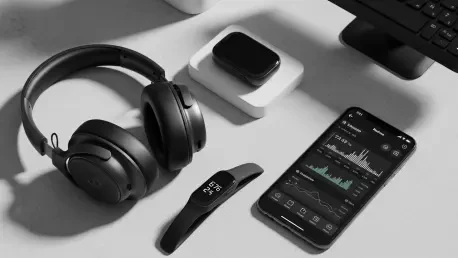

The rapid evolution of India’s digital ecosystem has reached a pivotal moment where the gap between luxury wearable technology and mass-market accessibility is finally disappearing as manufacturers aggressively slash prices. This transformation is driven by a massive influx of sophisticated hardware into the hands of budget-conscious shoppers who previously found high-end health monitoring and premium audio to be financially out of reach. By June 2026, the Indian market has moved beyond the experimental phase, where entry-level consumers now expect flagship-level features as standard requirements rather than optional luxuries. This shift reflects a strategic pivot by major global and domestic tech brands to prioritize long-term market share over immediate profit margins on individual units. As a result, the current landscape offers a diverse ecosystem where performance is no longer a privilege of the elite, but a foundational component of modern daily life for millions across the subcontinent.
Breaking Barriers in Health and Fitness Technology
Integrating Professional Metrics in Entry-Level Hardware
Samsung has successfully disrupted the middle ground of the fitness tracking market with the release of the Galaxy Fit3, a device that effectively bridges the gap between basic bands and high-cost smartwatches. Its vibrant 1.6-inch AMOLED display provides a level of visual engagement and clarity that was once reserved for devices costing three times as much, making professional health data more readable for the average user. With support for more than 100 different workout modes, the tracker caters to a wide variety of athletes, from casual walkers to serious marathon runners. This aggressive pricing strategy is a clear signal that even global tech leaders are willing to compete on cost to secure the loyalty of the burgeoning Indian middle class. By including features like blood oxygen monitoring and advanced sleep cycle analysis, the Fit3 has redefined what a budget-friendly wearable should offer, turning high-level health oversight into a standard tool for the public.
Embracing the Minimalist Approach to Analytics
In stark contrast to the screen-heavy trend of modern wearables, the Pebble Qore 2 offers a minimalist, screenless alternative that prioritizes deep physiological data over digital distractions. This device is specifically engineered for users who want constant health oversight without the burden of another glowing screen, focusing instead on advanced sensors that track heart rate variability and body temperature. These specific metrics were typically exclusive to luxury fitness rings and medical-grade sensors, yet they are now available at a price point that makes them accessible to a much broader audience. With a staggering 45-day battery life and high-level water resistance, the Qore 2 represents a growing demand for invisible technology that integrates seamlessly into a user’s lifestyle. This shift toward specialized, data-driven hardware proves that affordable technology can be both technically sophisticated and aesthetically subtle, catering to a diverse demographic.
Redefining the Standards for Personal Audio
High-Fidelity Performance for the Everyday Prosumer
The personal audio landscape in India has experienced some of the most dramatic price adjustments, particularly within the mid-range segment that targets professional consumers and frequent travelers. The Sony WH-CH720N headphones serve as a prime example of this trend, utilizing the same high-end Integrated Processor V1 found in flagship models to deliver industry-leading noise cancellation. By bringing premium acoustic engineering to a more affordable price bracket, Sony has successfully targeted the prosumer demographic—individuals who require reliable tools for remote work and high-fidelity sound for leisure. This democratization of high-quality audio means that environmental noise reduction is no longer a luxury feature but a practical necessity that is within reach for the average office worker. The availability of these technologies at reduced costs indicates a significant shift in how manufacturers view value, focusing on delivering high-tier performance to every user.
Competitive Dynamics and Feature Standardization
The intense competition between established giants like Samsung and rising challengers like Realme has pushed wireless earbud features to unprecedented heights while simultaneously driving prices down. Standard functionalities in today’s budget-friendly earbuds now include active noise cancellation and ultra-low-latency modes, features that were considered cutting-edge innovations just a short time ago. This rapid expansion of the mid-tier market allows Android enthusiasts and general shoppers to enjoy a highly reliable audio experience without having to compromise on battery life or build quality. Manufacturers are now utilizing more durable materials and refined software tuning to ensure that even their most affordable products provide a seamless user experience. This trend has fundamentally changed consumer expectations, as users now demand that their audio accessories work flawlessly across multiple devices while providing the same immersive sound profiles.
Expanding the Scope of Wearable Accessories
Bridging the Gap Between Gaming and Daily Life
Competitive gaming audio has also seen a significant increase in accessibility, with major discounts on specialized peripherals like the Razer BlackShark V2 X bringing professional-grade sound to casual players. By offering large 50mm drivers and sophisticated noise-isolating microphones at a budget price, manufacturers are enabling a wider audience to experience the high-fidelity spatial audio required for modern gaming. This shift reinforces the idea that specialized technology is no longer reserved for elite competitors, but is instead becoming a standard part of the broader entertainment ecosystem. The inclusion of advanced audio tuning and ergonomic designs in entry-level hardware allows users to engage in long gaming sessions without the discomfort or audio lag common in older budget models. As these prices continue to drop, the barrier to entry for high-quality digital entertainment remains at its lowest point, inviting more people to participate in the global gaming culture.
Strategic Market Shifts and Consumer Accessibility
The broader democratization of technology in 2026 is not merely a result of lower manufacturing costs, but a conscious decision by brands to foster a more inclusive digital environment. By integrating sophisticated health metrics and professional audio standards into entry-level hardware, companies are essentially future-proofing their user base for upcoming software innovations. This strategy creates a scenario where the hardware is merely the gateway to a larger ecosystem of services, including personalized health coaching and immersive media subscriptions. The saturation of the hardware market has forced a shift in focus toward long-term user engagement and brand loyalty, which can only be achieved by providing high value at the point of purchase. Consequently, the Indian consumer is now in a unique position to leverage advanced tools for productivity and wellness that were previously cost-prohibitive, marking a landmark change in the global distribution of technological resources.
Merging Style with High-Tech Functionality
The Evolution of Intelligent Eyewear as Fashion
Smart eyewear is finally transitioning from a niche luxury item into a mainstream lifestyle accessory, a move punctuated by recent price reductions on products like the Ray-Ban Meta collection. These devices represent a unique merger of iconic fashion and high-tech utility, allowing users to capture high-definition content and listen to audio completely hands-free while maintaining a stylish appearance. The significant discounts currently offered to Indian consumers suggest that manufacturers are eager to integrate wearable cameras and speakers into the daily wardrobes of a wider audience. This move is particularly appealing to digital creators and frequent travelers who value the convenience of capturing their experiences without the need for bulky camera equipment. As these glasses become more affordable, the integration of technology into traditional apparel is likely to accelerate, paving the way for a future where digital interaction is seamlessly woven into the very fabric of personal style.
Actionable Steps for Navigating the New Tech Landscape
The transition toward more affordable premium wearables in the Indian market provided a clear roadmap for how high-end technology could be successfully democratized for a diverse and growing population. Consumers who sought to upgrade their digital lifestyles were encouraged to prioritize devices that offered cross-platform compatibility and long-term software support to maximize their investments. It was recommended that users look beyond superficial aesthetics and instead focus on the quality of internal sensors and the robustness of the accompanying data ecosystems. Strategic purchasing decisions centered on identifying which premium features—such as heart rate variability or active noise cancellation—offered the most practical benefits for individual daily routines. By carefully evaluating the price-to-performance ratio of these discounted gadgets, shoppers ensured they received the maximum utility from their purchases. This period marked a significant shift in the global tech economy, as accessibility finally caught up with innovation.