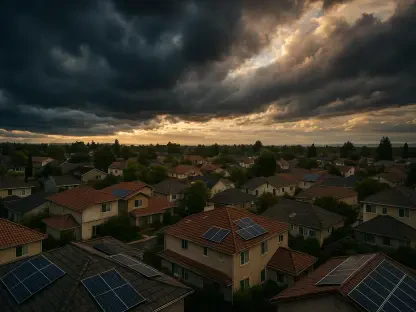

Administrative preparation involving the creation of a robust evidentiary trail is just as vital as physical home protection measures like shuttering windows. While homeowners often prioritize plywood and sandbags, the financial aftermath of a major storm is frequently decided by the quality of documentation assembled before the first clouds gather. In the current 2026 season, the complexity of insurance claims has reached a point where digital proof is the only language adjusters fully respect. Relying on memory or outdated photos is a recipe for lengthy disputes and denied claims. The Atlantic hurricane season remains a persistent threat through late November, making the present moment the most strategic time to act. By shifting the focus from reactive emergency response to proactive administrative readiness, property owners can build a foundation of security that remains intact long after the winds subside. This approach requires a disciplined look at documentation that matches the intensity of the storm itself.
Decoding Your Insurance Policy and Financial Obligations
Identifying Critical Coverage Gaps: Policy Realities
A fundamental error that continues to plague many property owners in 2026 is the assumption that a standard multi-peril insurance policy provides universal protection against all forms of water ingress. The reality of the current insurance market dictates a sharp legal distinction between wind-driven rain and rising floodwaters, necessitating two separate policies for comprehensive coverage. Without a specific flood policy, damage resulting from storm surges or overflowing drainage systems often falls entirely outside the scope of regular homeowners’ coverage. This gap creates a financial vacuum for those who only realize the limitation after their property has been inundated.
Beyond these broad definitions, the “Exclusions” section of a contract serves as a detailed roadmap of what the carrier will refuse to pay. In 2026, these sections have become granular, often excluding specific types of secondary damage like mold growth if it is not reported within a narrow timeframe. Equally important is the “Duties After Loss” provision, which outlines protocols a policyholder must follow to maintain claim eligibility. These duties often include taking immediate steps to prevent further damage, and failure to document these mitigating efforts can lead to total denial. Understanding these obligations before a storm ensures that a resident is not caught off guard by technicalities.
Understanding the Cost of Hurricane Deductibles: Financial Thresholds
The financial landscape of disaster recovery is further complicated by the unique structure of hurricane-specific deductibles, which differ significantly from standard models. While a typical pipe burst might carry a manageable flat-rate deductible, hurricane deductibles are almost always calculated as a percentage of the home’s total insured value. In 2026, with property values remaining high, a five percent hurricane deductible can translate into an out-of-pocket expense exceeding twenty thousand dollars. This means that for many, insurance coverage does not even begin to pay out until a very high financial threshold has been met by the policyholder.
This high barrier to entry necessitates a more robust approach to emergency savings than many realize. Homeowners who have identified their specific deductible amounts must prioritize liquidating or setting aside these funds specifically for the 2026 season. Without this liquidity, a major storm could result in a crisis, as contractors often require deposits before beginning repairs that exceed the deductible. Strategic planning involves not just paying premiums, but also preparing for the moment that premium must be leveraged. This dual-layered preparation provides a buffer that allows for immediate action once the damage assessment begins, reducing the long-term impact on personal wealth.
Creating a Comprehensive Visual and Digital Inventory
Mastering Visual Asset Documentation: Evidence and Proof
Establishing an undeniable baseline of a property’s condition is the most effective way to settle disputes with adjusters. Utilizing modern smartphone technology, homeowners should execute a comprehensive, high-definition video walkthrough that captures the entirety of the residence in its current state. This recording must be methodical, starting with the exterior to document the roof integrity, window seals, and the health of surrounding landscaping that could become a hazard. Moving inside, the camera should slowly scan every wall, ceiling, and floor surface to prove the absence of pre-existing cracks or stains. In 2026, 4K video provides a level of detail that still images often miss.
While broad video coverage is essential for the structure, individual documentation of high-value personal assets is equally vital for a contents claim. Homeowners must take specific, close-up photographs of appliances, electronics, and equipment, ensuring serial numbers are clearly visible. These images should be paired with a digital inventory list that includes purchase dates and estimated replacement values. In the 2026 economy, the price of goods fluctuates rapidly, making scanned receipts or digital confirmations indispensable. Having this detail ready allows adjusters to process claims with less friction, as it removes the guesswork regarding the quality and age of the items being replaced.
Implementing Digital Safeguards for Portability: Cloud Readiness
The traditional method of storing vital documents in a fireproof safe is no longer sufficient in an era characterized by rapid evacuations. While these physical boxes protect original deeds from local hazards, they are often heavy and difficult to transport during a hurricane emergency. A more effective strategy for 2026 involves the complete digitization of all insurance-related paperwork, including policies, medical records, and property inventories. By uploading these files to encrypted cloud storage services, homeowners ensure that their critical information is accessible from any internet-connected device worldwide. This digital redundancy serves as a fail-safe against the destruction of the physical residence.
Homeowners who took these steps before the peak of the 2026 season secured a significant advantage in the recovery process. They avoided the insurance “blackout” periods that typically froze new policy updates before a storm’s arrival. By transitioning to a digital-first approach, they maintained access to administrative files and visual evidence, which allowed them to initiate claims from temporary housing. This proactive stance moved the burden of proof onto the insurer through a clear evidentiary trail built over preceding months. Ultimately, those who prioritized these safeguards transformed their experience from one of uncertainty into a controlled, data-driven restoration project.