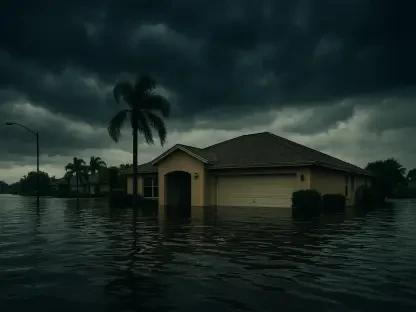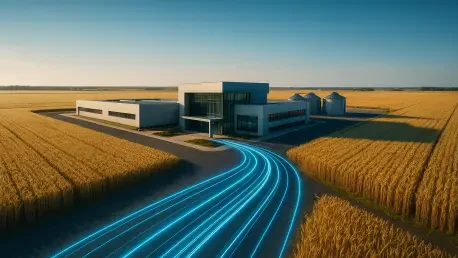

The implementation of a three-tiered insurance architecture addresses climate risk at the individual, community, and national levels to provide a comprehensive safety net for food-insecure populations. This shift represents a fundamental transformation in how global humanitarian organizations like the World Food Program approach disaster relief. Rather than waiting for a crisis to unfold and then scrambling for emergency funding, the current strategy emphasizes a proactive stance. By utilizing Disaster Risk Financing, the financial weight of extreme weather events is transferred from vulnerable families to the global insurance market. This mechanism ensures that as weather patterns become more erratic, the response is governed by data and pre-defined triggers rather than political whims or delayed logistical chains. Small-scale farmers, who have historically been the most exposed to environmental volatility, now find themselves equipped with tools that prevent a single bad season from turning into a permanent descent into poverty.
A Multi-Tiered Framework: The Architecture of Risk Management
The architecture of this insurance-based model is meticulously structured to ensure that protection reaches every societal layer through a coordinated, multi-level strategy. At the foundational level, micro-insurance provides direct support to smallholder farmers, giving them the necessary financial confidence to invest in high-quality seeds and fertilizers despite the looming threat of drought or flood. Above this, meso-insurance extends coverage to larger community aggregates, such as agricultural cooperatives or microfinance institutions. This layer is crucial because it protects the middle-tier structures that sustain local economies during widespread environmental stress. By covering these entities, the system ensures that the local financial infrastructure remains liquid even when individual farmers face harvest failures. This systemic approach bridges the gap between individual resilience and broader economic stability, creating a robust ecosystem where financial risk is distributed and managed before it can disrupt the entire food supply chain.
The efficacy of this tiered approach is not merely theoretical; it has been validated through significant real-world applications across diverse geographic regions. In Syria, macro-insurance policies have successfully triggered substantial payouts during periods of historic drought, providing over 100,000 individuals with the immediate cash liquidity required to sustain themselves through the season. This rapid infusion of capital prevents the forced sale of livestock and assets, which is a common but devastating survival tactic in unshielded communities. Similarly, in Senegal, the implementation of micro-insurance has allowed individual producers like Aminata Tambedou to maintain their self-sufficiency after catastrophic floods decimated groundnut harvests. Instead of relying on traditional food aid, which can often arrive too late to prevent debt cycles, these farmers received automatic payouts based on environmental data. These examples illustrate how financial instruments can provide a more dignified and efficient form of assistance than traditional charity.
Fostering Independence: Economic Growth and Resource Efficiency
Integrating insurance into the humanitarian toolkit serves as a powerful resource multiplier, allowing aid organizations to optimize their limited budgets in the face of escalating global needs. When predictable climate risks are transferred to international markets, agencies can preserve their core emergency funds for truly unforeseen and uninsurable catastrophes. This strategic reallocation of capital enables a much wider reach, ensuring that a larger percentage of the population remains protected from the volatile weather patterns typically associated with recurring phenomena like El Niño. By paying a fixed premium to the insurance market, organizations convert the high-stakes gamble of disaster response into a manageable and predictable budgetary expense. This fiscal discipline allows for more consistent planning and execution of long-term development projects, as the threat of sudden funding diversion for emergency relief is significantly mitigated. The result is a more stable humanitarian landscape that prioritizes sustainability over reaction.
Beyond the immediate financial benefits, these programs are intentionally designed to foster independence and empower groups that have traditionally been marginalized within the global financial system. A particular focus has been placed on the inclusion of women in insurance and community savings groups, which has proven to be a catalyst for broader social change. By providing women with access to formal risk management tools, these initiatives help them overcome systemic barriers to credit and land ownership. This inclusion directly correlates with improved household nutrition and education outcomes, as women are statistically more likely to reinvest their income into their families. This transition fundamentally shifts the identity of the farmer from a passive recipient of international charity to an active and informed manager of their own financial future. Such a change in status fosters a sense of agency and dignity, which are essential components for achieving long-term regional stability and breaking the cycle of chronic dependency on external assistance.
Scaling Global Solutions: Measuring Success and Future Impact
The rapid expansion of these financial solutions has resulted in a significant increase in the scale of global impact, with millions of people now protected by hundreds of millions of dollars in coverage. In the period from 2024 to 2026, the program successfully provided essential coverage to nearly five million individuals, drastically reducing their vulnerability to environmental shocks. Since the inception of the initiative, nearly $100 million has been distributed through payouts to help communities recover from devastating events like tropical cyclones and prolonged droughts. This track record demonstrates that market-based risk transfer is a viable and scalable path for modern humanitarian work. The data collected from these operations indicates that for every dollar spent on insurance premiums, the economic benefit to the local community in terms of avoided losses is often fourfold. This high return on investment is attracting further interest from private sector partners and institutional donors who seek evidence-based solutions for food security.
The evolution of climate insurance necessitated a broader commitment to integrating these tools into the standard humanitarian toolkit to secure global food systems. Moving forward from 2026 to 2028, the priority shifted toward harmonizing local weather data collection with international financial standards to ensure that payouts were even more precise and timely. Governments were encouraged to incorporate climate risk financing into their national development strategies, treating it as a core pillar of economic planning rather than a peripheral aid project. Stakeholders recognized that investment in digital infrastructure was a critical next step, as mobile payment systems served as the primary delivery mechanism for payouts in remote areas. Furthermore, the expansion of these models included more diverse crop types and livestock sectors to provide a truly universal safety net. By focusing on these actionable improvements, the international community solidified a resilient framework that moved beyond temporary relief toward a sustainable future where weather was no longer a sentence of hunger.