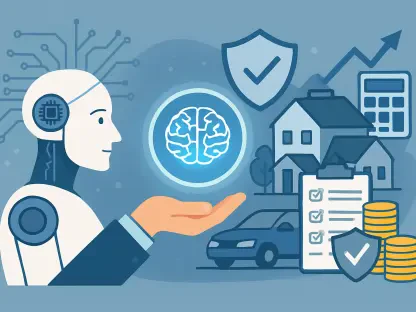

New Jersey lawmakers are currently advancing a suite of bills designed to establish rigorous guardrails for artificial intelligence in insurance, housing, and employment. This legislative push comes at a critical juncture as algorithmic decision-making has transitioned from a niche technical experiment into a foundational component of daily commerce and civic life. The Assembly Science, Innovation, and Technology Committee, led by Assemblyman Chris Tully, is navigating the precarious boundary between fostering a pro-innovation environment and shielding citizens from the potential pitfalls of unmonitored automation. By implementing these measures, the state seeks to codify accountability before these technologies become so deeply entrenched that they are impossible to steer. This proactive approach underscores a growing realization that while AI can significantly enhance administrative efficiency and data processing speeds, it must not be permitted to operate without the constraints of human ethics and legal standards that have long protected individual liberties in the Garden State.
Protecting Consumer Rights in High-Stakes Decisions
Ensuring Human Oversight in Insurance Claims
The introduction of Bill A5494 represents a pivotal shift in how the state views the delegation of authority to machines within the insurance sector. The legislation is specifically designed to stop the practice of using automated algorithms as the solitary factor in denying claims related to homeowners, automobile, and flood insurance policies. Lawmakers are responding to a growing number of instances where citizens felt their lives were being dismantled by a “black box” that offered no explanation for rejecting their financial relief after a disaster.
By necessitating a human reviewer to sign off on any claim denial, the state is reintroducing a layer of accountability that many feel has been lost in the rush toward digital transformation. This measure aims to protect the most vulnerable policyholders from systemic glitches or biased datasets that might otherwise go unnoticed if a human eye were not present to question the machine’s output. The goal is to build long-term consumer trust while ensuring that the transition to more efficient, high-tech insurance processing does not come at the expense of basic fairness and procedural transparency.
Regulating Fairness in Tenant Screening Processes
Lawmakers are also addressing the role of AI in the rental market through Bill A5495, which targets the opacity of automated tenant screening systems. While these digital tools help landlords evaluate creditworthiness and criminal backgrounds with unprecedented speed, there is an increasing concern that they may perpetuate historical biases or rely on inaccurate data. The bill seeks to ensure that prospective tenants have a clear path to challenge decisions that could unfairly exclude them from housing opportunities based on flawed algorithmic logic or outdated records that no longer reflect their current financial status.
The debate is further complicated by the rise of sophisticated AI-generated fraud, where applicants use technology to create hyper-realistic fake income documents. Landlords argue that overly restrictive regulations could strip them of the very defensive tools they need to verify information and prevent financial loss. Legislators are tasked with a difficult balancing act: protecting tenants from automated discrimination while allowing the real estate industry to maintain the integrity of their screening processes. This tension highlights the necessity of a nuanced legal framework that adapts to both the benefits and the risks of these emerging technologies.
Balancing Employee Privacy and Business Innovation
Monitoring Workplace Surveillance and Data Ethics
In the professional sphere, Bill A4981 seeks to restrict “always-on” electronic monitoring that tracks employees even when they are off the clock. Labor advocates view these protections as essential for maintaining worker dignity and preventing the dehumanization of the workforce through constant, invasive surveillance. They argue that the boundary between professional obligations and private life has blurred significantly, and without clear legal limits, employers might use AI to monitor health markers, political leanings, or private associations under the guise of productivity optimization or safety management.
Conversely, the business community has raised alarms regarding the bill’s broad definitions, fearing that standard office software could be caught in the regulatory net. There is a concern that tools used for basic project management or cybersecurity might be classified as invasive surveillance, leading to unnecessary legal uncertainty. As companies manage modern, remote work environments, they require clear guidelines that distinguish between legitimate performance tracking and unethical privacy violations. Striking this balance is crucial for maintaining a healthy work culture in a world where digital eyes are increasingly common.
Addressing the Economic Cost of Compliance
Beyond privacy concerns, industry groups warn that strict AI regulations could impose significant financial burdens on New Jersey companies, particularly those in the startup phase. Critics of the proposed workplace laws argue that high compliance costs and complex approval processes might discourage tech firms from developing or deploying new tools within the state. They suggest that if the regulatory hurdles become too steep, innovative companies may choose to relocate to jurisdictions with more flexible oversight, potentially draining the state of high-value jobs and technological leadership.
Lawmakers are challenged to refine the language of these bills to avoid stifling the very progress they hope to manage. The objective is to create a predictable environment where businesses understand their obligations without being buried under administrative red tape. By fostering a dialogue between the private sector and regulators, New Jersey hopes to demonstrate that ethical oversight and economic growth are not mutually exclusive. The success of this initiative will depend on the state’s ability to implement common-sense guardrails that protect individuals while still incentivizing the development of next-generation technologies.
Increasing Transparency for Physical Digital Infrastructure
Ending Secrecy in Data Center Development
The push for accountability extends beyond software to the physical data centers that power AI systems. Bills A5224 and S4304 aim to end the use of nondisclosure agreements that currently allow developers to keep project details hidden from the public during the early planning stages. State officials argue that because these facilities consume massive amounts of electricity and land, communities have a right to know their environmental impact before construction begins. This transparency is seen as a vital step in maintaining public trust and ensuring that large-scale developments align with local interests.
This move toward open government represents a rare moment of bipartisan agreement, focusing on the localized consequences of the digital boom. Lawmakers from both sides of the aisle have expressed concern that the current secretive nature of these deals prevents local planners from adequately preparing for infrastructure strain. By requiring full disclosure of energy demands and land-use plans, the state intends to empower local officials to make informed decisions. This shift ensures that the rapid expansion of digital infrastructure does not occur in a vacuum but rather as part of a transparent and collaborative public planning process.
Managing Energy Demands and Environmental Impact
As data centers expand across the state, their staggering energy requirements have become a focal point for environmental policy. The proposed regulations would require developers to disclose projected energy usage and resource needs, such as water cooling requirements, during the preliminary planning stages. By pulling back the curtain on these massive digital hubs, New Jersey hopes to ensure that technological growth does not overwhelm the state’s power grid or damage local ecosystems. This transparency is essential for balancing the state’s economic goals with its long-term commitment to environmental sustainability.
The localized environmental footprint of a data center can be immense, impacting everything from local noise levels to regional water availability. Residents and environmental advocates have pushed for these disclosures to ensure that the digital gold rush does not leave communities with depleted resources or higher utility costs. By mandating early-stage impact reports, the state can better coordinate with utility providers to upgrade infrastructure in advance. This proactive management strategy is designed to create a sustainable pathway for high-tech development that respects both the limits of the physical environment and the needs of the surrounding population.
Frequently Asked Questions About New Jersey AI Laws
1. What Does “Human in the Loop” Mean?
This concept refers to a regulatory requirement where a human being must review and approve a decision made by an AI system before it becomes final. In the context of the New Jersey bills, it ensures that an algorithm cannot automatically deny an insurance claim or a housing application without a person verifying the facts. This measure is intended to provide a layer of accountability and prevent errors caused by automated biases or technical glitches that might not be apparent to a machine.
Implementing this requirement helps to bridge the gap between machine efficiency and human empathy. While an algorithm might flag a claim based on a statistical anomaly, a human reviewer can look at the unique circumstances of a policyholder’s situation. This hybrid approach ensures that the legal and ethical responsibilities of a company remain with its human employees rather than being offloaded to an unaccountable piece of software. It serves as a safety net for consumers who might otherwise be lost in a purely digital bureaucracy.
2. How Will These Bills Affect Local Businesses?
Local businesses may face new administrative tasks, such as disclosing their use of monitoring software or conducting regular audits of their AI tools to ensure they are free from bias. While labor groups see this as a win for worker rights, business associations warn it could lead to higher operational costs and slower growth. The final impact will depend on how specifically the laws define AI and what exceptions are made for standard business software used daily by small and large companies.
To mitigate these impacts, many industry leaders are calling for clear implementation timelines and state-provided resources to help with compliance. The goal is to prevent small businesses from being disproportionately affected by the new rules compared to large corporations with dedicated legal teams. As the state moves forward, the emphasis will likely be on education and support, ensuring that companies can adapt to the new regulatory landscape without sacrificing their ability to compete in a rapidly changing global market.
3. Why Is Transparency in Data Centers Important?
Transparency ensures that local governments and citizens can plan for the significant electricity and water demands of these massive facilities. Without public disclosure, the sudden arrival of a large data center could strain the local power grid or lead to unexpected environmental changes that catch the community off guard. By requiring developers to be upfront about their needs, the state can better manage its infrastructure and ensure that new developments are compatible with the community’s long-term goals.
Furthermore, transparency allows for a more equitable distribution of resources across the state. When energy and land use are disclosed publicly, it prevents any single region from becoming overburdened by the digital infrastructure boom. It also fosters a more competitive environment for developers, as they must prove their projects are sustainable and beneficial to the local area. Ultimately, these disclosure requirements aim to transform data centers from mysterious, high-consumption hubs into integrated and accountable parts of the New Jersey landscape.
Forging a New Path for Digital Governance
The legislative process surrounding these bills provided a clear roadmap for how modern governments could navigate the intersection of ethics and technology. Stakeholders realized that the path forward required a commitment to iterative refinement, ensuring that statutes remained flexible enough to keep pace with algorithmic evolution without losing their regulatory teeth. It became evident that the most effective strategy involved a robust collaboration between tech developers, legal experts, and community advocates to establish a shared definition of ethical automation. As these standards moved into the implementation phase, the focus shifted toward creating localized compliance centers that could help small businesses transition into this new environment without suffering undue financial hardship. Ultimately, the state proved that proactive governance did not have to be an obstacle to progress but could instead serve as a catalyst for more sustainable and trustworthy technological growth.