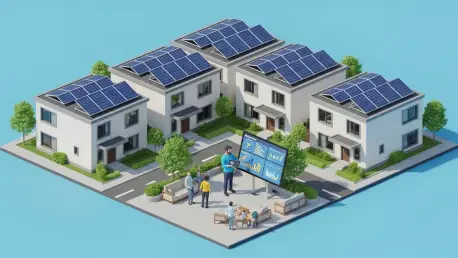

The skyline of Mumbai is undergoing a quiet but radical transformation as shimmering silicon panels replace traditional concrete rooftops at a pace previously thought impossible for a developing economy. While traditional energy giants grapple with aging infrastructure, a Mumbai-based startup has managed to double its valuation to $500 million in just 18 months. SolarSquare is currently finalizing a Series C funding round of up to $60 million, backed by heavyweight investors like B Capital and Lightspeed Venture Partners.
This massive capital injection isn’t just a financial milestone; it represents a fundamental shift in how Indian homeowners view power consumption. By securing nearly half a billion dollars in market value, SolarSquare is signaling that the era of decentralized, residential-first renewable energy has officially arrived in the world’s third-largest solar market. The company has moved from a niche player to a market leader, proving that the consumer sector is the new frontier for green technology.
India’s 500-Gigawatt Ambition: The Decentralization Trend
The backdrop for SolarSquare’s ascent is a national push toward a staggering 500-gigawatt renewable energy capacity by 2030. As electricity costs climb and the reliability of the grid remains a concern for growing urban populations, the Indian government has introduced aggressive subsidies to push solar technology from industrial parks directly onto suburban rooftops. This regulatory tailwind has transformed solar energy from a luxury environmental statement into a pragmatic financial decision for the average middle-class family.
This shift from large-scale, centralized power plants to decentralized “prosumer” models—where citizens produce the energy they consume—has created a vacuum. Traditional component manufacturers and local, unorganized installers have struggled to fill this space efficiently due to lack of standardization. SolarSquare identified this gap early, realizing that the future of energy lies not in massive utility farms, but in the millions of square feet available on private residences.
The Full-Stack Advantage: Moving Beyond Component Sales
SolarSquare’s dominance stems from its refusal to be just another hardware vendor in a fragmented market. By adopting a “full-stack” business model, the company manages the entire lifecycle of a solar installation, including custom system design, high-standard installation, and long-term maintenance. This integrated approach solves the trust gap that previously hindered the residential sector, where homeowners were often left stranded by small-scale contractors after a sale.
Furthermore, the company’s strategic pivot away from low-margin industrial projects toward lucrative residential housing societies has allowed them to capture higher margins while building a more stable, scalable customer base. By focusing on the “complex” residential market rather than easy industrial wins, they built a moat of logistical expertise. This focus on the consumer experience ensures that the transition to renewable energy is seamless, creating a brand loyalty that hardware-only manufacturers cannot replicate.
Quantifying Success: Rapid Scaling and Blue-Chip Backing
The numbers behind the company’s growth provide a clear picture of its market leadership, with an annualized revenue run rate now exceeding $104 million. SolarSquare has successfully deployed over 150 megawatts of capacity across 29 cities, servicing 50,000 individual homes and 400 housing societies. This track record is complemented by an enterprise division that services high-growth tech firms like Swiggy and Zepto, proving their technical capability at scale even in high-pressure commercial environments.
The confidence shown by Tier-1 venture capitalists like Elevation Capital further reinforces the belief that SolarSquare found the winning formula for the Indian residential energy landscape. These investors are not just buying into a solar company; they are betting on a logistics and service platform that happens to sell energy. This financial backing allowed the firm to outpace local competitors by investing heavily in proprietary software that optimizes panel placement and predicts maintenance needs before failures occur.
A Blueprint for Dominance: The Green Energy Transition
To maintain its lead, SolarSquare executed a specific growth framework centered on reaching 200 megawatts of residential capacity within the next year. This strategy involved leveraging current government policy incentives to lower the barrier to entry for the middle class while using the $60 million Series C capital to consolidate its presence in existing cities. The roadmap focused on density rather than just geographic spread, ensuring that service teams remained profitable by operating in concentrated urban clusters.
For other players in the industry, the SolarSquare model served as a practical lesson in market evolution. Success in renewable energy required moving away from pure manufacturing and toward a service-oriented, consumer-centric ecosystem that prioritized long-term system performance over one-time hardware sales. This shift suggested that the next phase of the global energy transition would be won by those who could manage the relationship with the end-user as effectively as they managed the technology itself.