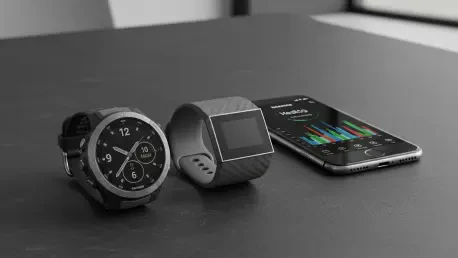

The rapid evolution of biometric monitoring has transitioned from simple step counting to a sophisticated dual-device methodology that prioritizes both high-intensity performance and passive health observation. Athletes and fitness enthusiasts are increasingly adopting a multi-layered approach to health tracking, recognizing that a single device often fails to capture the full spectrum of physiological data required for peak performance. This trend has established a new paradigm where a primary sports watch, typically a Garmin, serves as the command center for rigorous training, while a minimalist secondary tracker like the Fitbit Air provides continuous, unobtrusive coverage during recovery and sleep. By integrating these two distinct ecosystems, users are able to bridge the gap between active exertion and restorative health, ensuring that every heart rate variability fluctuation and sleep stage is documented with precision. This shift reflects a broader maturity in the wearable market, where the demand for specialized hardware outweighs the convenience of a compromised all-in-one solution.
Comprehensive Wellness: Integrating Specialized Wearable Systems
Minimalist Engineering: The Philosophy of the Second Lens
The Fitbit Air serves as a dedicated observer that operates effectively during the twenty-two hours of the day when a user is not engaged in structured exercise or high-intensity training. Its screenless design and lightweight form factor allow it to disappear onto the wrist, providing a level of comfort that larger, more robust sports watches often struggle to maintain during extended periods of sleep or domestic activity. This design philosophy emphasizes the importance of consistent data collection without the psychological burden of constant notifications or the physical weight of a traditional smartwatch. By focusing on a minimalist aesthetic, the device ensures that the user remains connected to their health metrics without becoming tethered to a digital interface. This unobtrusive nature is critical for maintaining a 24/7 data stream, as it reduces the likelihood of the user removing the device due to discomfort, thereby preventing significant gaps in the overall longitudinal health record.
Beyond the physical convenience, the secondary wearable functions as a corrective lens for biometric analysis, offering a different algorithmic perspective on the same physiological signals tracked by the primary device. While a Garmin excels at high-intensity heart rate monitoring and GPS accuracy during a run, the Fitbit Air focuses its processing power on resting biometrics, such as atrial fibrillation detection and baseline temperature variations. These background metrics are essential for identifying early signs of illness or overtraining, which might be obscured by the more aggressive data processing found in performance-oriented watches. The presence of a second set of sensors provides a valuable redundancy, allowing users to cross-reference their recovery scores and readiness metrics across two independent platforms. This comparative approach minimizes the impact of occasional sensor errors or software glitches, leading to a more reliable interpretation of how the body is responding to daily stressors and cumulative physical workloads.
Algorithmic Diversity: Enhancing Accuracy Through Data Redundancy
The core advantage of maintaining a dual-wearable ecosystem lies in the inherent differences between the proprietary algorithms used by Garmin and Google. Each manufacturer employs unique assumptions and data-smoothing techniques to interpret heart rate variability and movement patterns, which can result in different readiness scores for the same individual on the same day. By observing these discrepancies, users gain a more nuanced understanding of their physical state, as they are no longer dependent on the singular interpretation of a single brand. This diversity in data processing acts as a safeguard against the limitations of any one software suite, providing a more comprehensive view of recovery. For example, if one device suggests a high state of readiness while the other indicates elevated physiological stress, the user is prompted to look deeper into specific metrics like resting heart rate or sleep quality to determine the most accurate course of action for their upcoming training session.
Implementing this dual-track strategy also addresses the limitations of automatic activity detection, which remains a challenge for even the most advanced wearable technology currently available on the market. While the Fitbit Air is capable of identifying a walk or a run automatically, the precision of these sessions often pales in comparison to the manually initiated activities on a dedicated Garmin sports watch. However, having the secondary device capture these moments provides a safety net for those instances where a user might forget to start their primary tracker or when the primary device encounters a battery failure. The secondary data set serves as a baseline that preserves the continuity of the fitness history, even if the granularity of the performance metrics is slightly reduced. This synergy ensures that the total volume of daily movement is accounted for, creating a more accurate representation of caloric expenditure and active minutes that can be synchronized later for a more complete fitness profile.
Strategic Pathways: Mastering the Multi-Source Ecosystem
Those who successfully navigated the complexities of the dual-wearable market in recent years prioritized the alignment of their hardware choices with their specific physiological goals. The most effective strategies involved designating a clear primary device for all high-stakes performance tracking while utilizing the secondary tracker as a dedicated recovery monitor. Users who adopted this disciplined approach found that the redundancy in their data sets allowed for a much deeper understanding of their body’s unique stress patterns. They focused on refining their software configurations to minimize data duplication and invested time in understanding the specific algorithmic biases of each platform. This proactive management of the wearable ecosystem transformed disparate data points into a cohesive narrative of health and fitness. By treating each device as a specialized tool rather than a general-purpose gadget, these individuals built a more resilient and accurate picture of their daily physical reality.
The transition toward multi-device ecosystems necessitated a significant shift in how users interacted with their digital health profiles on a daily basis. Instead of relying on a single readiness score, the most informed participants analyzed the convergence of metrics from multiple sources to make decisions about their training intensity and recovery needs. They learned to value the subtle insights provided by the screenless tracker, such as long-term heart rate trends and sleep quality, just as much as the real-time pace and power data from their sports watches. This holistic view was supported by a more critical evaluation of the software tools that managed the data flow between devices. Successful users sought out platforms that offered the greatest flexibility in data export and visualization, ensuring that they maintained ownership over their biometric history. By embracing the strengths of both Fitbit and Garmin, they effectively eliminated the blind spots inherent in single-device tracking and paved the way for a more sophisticated era of individual wellness.