
The rapid democratization of advanced medical technologies has fundamentally altered how individuals approach personal wellness and physical recovery in recent years. Within this shifting landscape, red light therapy has transitioned from a specialized clinical treatment available only in high-end medical facilities to a mainstream recovery tool utilized in living rooms across the globe. The LifePro AllevaRed Light Therapy Belt stands as a primary example of this evolution, offering a specialized wearable designed to bridge the significant gap between expensive professional-grade equipment and accessible home-based care. By utilizing the principles of photobiomodulation, the device aims to stimulate mitochondrial function and enhance the production of adenosine triphosphate, the fundamental energy source for cellular repair. This process not only facilitates muscle recovery but also plays a critical role in reducing oxidative stress and managing localized inflammation, providing a practical solution for those seeking to maintain physical health without the logistical burdens of stationary, bulky recovery systems.
Practical Design and Wearability
Material Comfort: User Customization and Ergonomics
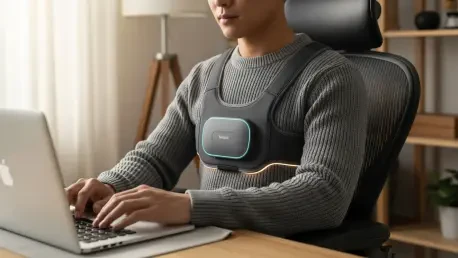
The physical construction of the LifePro AllevaRed focuses heavily on the integration of soft, neoprene-like fabric that prioritizes both flexibility and long-term comfort during extended therapy sessions. Weighing approximately 0.9 pounds, the belt is engineered to be lightweight enough for prolonged wear while maintaining the structural integrity necessary to house a complex array of LEDs. Its inherent flexibility allows the device to contour naturally to the diverse shapes of the human body, ensuring that the light-emitting diodes remain in close proximity to the skin whether applied to the lower back, shoulders, or thighs. This high degree of adaptability is essential for maintaining the effectiveness of light therapy, as the intensity of the energy delivered decreases significantly when the light source is even a small distance away from the treatment area. By providing a snug, adjustable fit, the belt ensures that users receive a consistent dosage of light energy across the entire target surface.
Beyond the functional aspects of its construction, the AllevaRed offers a level of aesthetic customization that is rarely found in traditional medical-grade wellness equipment. The availability of multiple colors, including blue, black, gray, and pink, reflects a design philosophy that treats recovery tools as personal lifestyle accessories rather than strictly clinical instruments. To ensure that the device remains accessible to a broad demographic, the fastening system utilizes a robust Velcro mechanism supplemented by a dedicated belt extender. This design choice is particularly significant for individuals who may struggle with complex buckles, hooks, or snaps due to limited hand strength or conditions like arthritis. The inclusion of the extender further guarantees that the belt is inclusive of all body types and frames, allowing for a secure fit that facilitates optimal skin contact across various muscle groups and joint structures without the need for constant manual adjustment.
Power Requirements: Durability and Portability Constraints
While the lightweight nature of the AllevaRed suggests a high degree of portability, its operational reality is governed by its dependence on a continuous external power source. The device is not equipped with an internal battery, necessitating a physical connection via a USB controller to either a standard wall outlet or a portable power bank. This requirement introduces a notable distinction between a “wearable” device and a truly “cordless” one, as the length of the cable and the availability of a power source define the user’s range of motion during a session. For those expecting to perform rigorous household activities or move freely throughout a large space while wearing the belt, the reliance on a power bank—which is often sold as a separate accessory—may be a point of consideration. However, for users who prefer to use the device during sedentary periods, such as while working at a desk or resting on a sofa, the wired connection provides a reliable and consistent stream of energy that is not subject to the degradation of internal battery life over time.
In terms of long-term durability, the belt exhibits a solid build quality that is well-aligned with its position in the mid-range market. The neoprene material is resistant to moisture and sweat, which is a critical feature for a device intended for post-exercise recovery. However, intensive daily use may eventually lead to minor wear and tear, particularly regarding the adherence of the Velcro components or the fraying of the edges over several months of frequent application. Furthermore, the specific width of the belt, while excellent for covering large surface areas like the lumbar region, can present ergonomic challenges when attempting to treat smaller or more angular joints such as the ankles, wrists, or forearms. In these instances, users may find that the device requires multiple adjustments or the use of additional wraps to ensure the LED panels sit flush against the skin. Despite these minor limitations, the overall construction remains competitive and sufficiently resilient for the demands of regular domestic use in a modern wellness routine.
Light Technology and Therapeutic Power
Dual-Wavelength Integration: Depth and Surface Recovery
The technical core of the AllevaRed is defined by its 105 dual-chip LEDs, which are strategically programmed to emit light at two distinct and scientifically supported frequencies: 660nm red light and 850nm near-infrared light. The 660nm wavelength is characterized by its shorter frequency, which results in most of the energy being absorbed by the superficial layers of the skin. This makes it an ideal tool for addressing surface-level concerns, such as minor wound healing, skin rejuvenation, and the reduction of localized superficial inflammation. By stimulating the cells at the surface, the red light promotes a healthier skin environment and can assist in the early stages of the body’s inflammatory response. This surface-level action provides an immediate sensory benefit, often resulting in a visible improvement in skin tone and texture when used consistently over a period of several weeks.
In contrast to the visible red light, the 850nm near-infrared light operates at a wavelength that is invisible to the human eye but possesses the unique ability to penetrate much deeper into the body’s tissues. This energy reaches the underlying muscles, tendons, and even some joint structures, where it interacts directly with the mitochondria to facilitate deeper recovery and alleviate chronic tension. By incorporating both wavelengths into a single device, LifePro allows users to engage in a comprehensive recovery protocol that addresses multiple layers of physical discomfort simultaneously. This dual-action approach is particularly beneficial for athletes or individuals with active lifestyles who often experience a combination of surface-level soreness and deep-seated muscular fatigue. The ability to toggle between these settings or use them in tandem ensures that the therapy can be specifically tailored to the unique nature of the user’s physical condition at any given moment.
Irradiance Levels: Session Consistency and Safety Profiles
When evaluating the performance of any photobiomodulation tool, irradiance—the intensity of light energy delivered to the skin—is the most critical metric for determining therapeutic efficacy. The AllevaRed provides an irradiance of approximately 73 mW/cm², placing it firmly in the category of mid-intensity recovery devices. While this output does not match the raw power of industrial or clinical-grade panels that can reach irradiance levels exceeding 200 mW/cm², it offers a significant safety advantage for the home user. The moderate intensity virtually eliminates the risk of thermal burns, skin irritation, or overexposure that can occur with higher-powered systems if not used under professional supervision. This makes the belt an exceptionally safe tool for daily application, allowing individuals to incorporate light therapy into their lives without the constant fear of adverse side effects or the need for protective eyewear in most standard configurations.
The primary trade-off for this enhanced safety profile is the necessity for longer and more frequent treatment sessions to achieve meaningful physiological results. Because the light energy is delivered at a more gradual rate, session times typically range from 15 to 20 minutes per targeted area, compared to the 5 to 10 minutes required by high-output professional panels. Furthermore, the benefits of the AllevaRed are cumulative rather than instantaneous; the device is not intended to provide an immediate “miracle cure” for acute injuries. Instead, its value lies in the long-term improvement of cellular health and the gradual reduction of chronic stiffness. Success with this technology is almost entirely dependent on user compliance and the establishment of a consistent daily routine. Those who commit to regular application will likely observe a steady improvement in their recovery times and a reduction in localized pain, reinforcing the belt’s role as a dedicated component of a broader, long-term health management strategy.
Operational Simplicity and User Interface
Modes of Light Emission: Continuous and Pulsed Delivery
The operational interface of the AllevaRed is designed with a focus on extreme simplicity, utilizing a straightforward wired controller that allows users to navigate the device’s functions with minimal effort. One of the primary features of this interface is the ability to select between continuous and pulsed light emission modes, each of which serves a specific therapeutic purpose. Continuous mode provides a steady, uninterrupted stream of light energy, which naturally generates a gentle, soothing warmth as the LEDs remain active throughout the duration of the session. This thermal effect can be highly beneficial for individuals dealing with chronic muscle stiffness, as the mild heat helps to increase local blood circulation and physically relax the muscle fibers, providing immediate comfort alongside the long-term benefits of the light therapy itself.
Conversely, the pulsed mode introduces a high-frequency flickering effect, delivering light energy in rapid bursts rather than a constant flow. This mode is often preferred by users who are sensitive to heat or those engaging in longer therapy sessions, as it prevents the buildup of excessive thermal energy on the surface of the skin while still delivering the necessary photons for cellular repair. The inclusion of these two distinct modes allows for a degree of customization that caters to the individual sensory preferences of the user. By allowing for this flexibility, LifePro ensures that the device remains comfortable for a wide range of applications, whether the goal is a relaxing, warm session for a sore lower back or a cooler, more targeted application for a sensitive joint area. This lack of complexity removes the learning curve associated with many modern wellness gadgets, making the belt accessible to users of all ages and technological backgrounds.
Standalone Functionality: The Benefits of a No-App Experience
In an era where many health and wellness devices are tethered to complex smartphone applications and constant software updates, the LifePro AllevaRed remains a refreshingly standalone product. The absence of Bluetooth connectivity or a dedicated mobile app is a deliberate design choice that emphasizes a “plug-and-play” philosophy, ensuring that the device is always ready for immediate use. While some modern “power users” might initially perceive the lack of digital session tracking or intensity customization as a disadvantage, this simplicity offers several long-term benefits. Specifically, it eliminates the common frustrations of pairing issues, firmware bugs, and the potential for the device to become obsolete due to changes in smartphone operating systems or the discontinuation of app support. The AllevaRed focuses entirely on its core mission of delivering effective light therapy without the distractions of digital notifications or data management.
This streamlined approach also contributes significantly to the device’s affordability and reliability, as the costs associated with app development and maintenance are not passed on to the consumer. For many individuals, the process of recovery is a time to disconnect from screens and focus on physical well-being, a goal that is supported by the belt’s manual control system. There are no accounts to create, no privacy concerns regarding health data, and no need to have a phone nearby during a session. By prioritizing essential hardware functions over superfluous software features, the device ensures a high level of dependability. This makes it an ideal choice for users who value straightforward functionality and want a reliable tool that performs exactly as advertised every time it is plugged in. The result is a device that fits seamlessly into a daily routine without adding to the digital clutter of modern life.
Performance Expectations and Market Context
Real-World Efficacy: Recovery Outcomes and Practical Limits
Practical evaluations of the AllevaRed in real-world scenarios suggest that the device excels as a supplementary tool for managing localized muscle tension and post-exercise soreness. In the initial week of use, many users may find the effects to be subtle, often manifesting as a mild sensation of warmth and relaxation during the session rather than a dramatic reduction in pain. However, by the third and fourth weeks of consistent, daily application, the cumulative benefits of photobiomodulation typically become much more apparent. Users often report a tangible decrease in localized stiffness and a noticeable improvement in the range of motion in areas like the lower back and shoulders. This makes the belt particularly effective for individuals whose professions require long hours of sedentary desk work, as well as for those looking to mitigate the effects of delayed onset muscle soreness following intense physical activity.
Despite these positive outcomes, it is essential to maintain realistic expectations regarding the device’s limitations when dealing with severe chronic conditions or significant joint pathologies. While the AllevaRed is highly effective for soft tissue recovery and minor inflammatory issues, it may not possess the power or penetration depth required to act as the primary treatment for advanced medical issues like severe osteoarthritis or deep structural injuries. In these clinical contexts, the belt should be viewed as a supportive comfort measure that provides soothing warmth and mild circulatory benefits rather than a total replacement for high-powered medical lasers or professional interventions. By understanding this distinction, users can integrate the device into their recovery toolkit more effectively, using it to bridge the gap between professional treatments and ensuring that their muscles and tissues receive consistent, daily support for long-term health.
Strategic Positioning: Value and Market Competitiveness
The LifePro AllevaRed occupies a strategic “Goldilocks” position within the current red light therapy market, successfully balancing performance, build quality, and price. It sits comfortably between the low-cost, “no-name” brands that often lack transparent technical specifications and the prohibitively expensive medical-grade wearables that can cost several times as much. For the average consumer, this positioning provides a high degree of confidence, as LifePro is known for its transparent communication regarding irradiance levels and wavelength accuracy. This transparency is a critical factor in a market where many budget-friendly devices make unsubstantiated claims about their therapeutic power. By providing a legitimate, mid-intensity light therapy experience at a price point under $200, the AllevaRed serves as an ideal entry point for individuals who are curious about the technology but are not yet ready to commit to a professional-grade panel system.
The true value of the AllevaRed lies in its ability to facilitate consistent use through its emphasis on convenience and wearable comfort. In the field of photobiomodulation, the most powerful device in the world is useless if it is too cumbersome or uncomfortable to be used regularly. Because the AllevaRed is easy to wear and simple to operate, users are far more likely to adhere to the daily schedule required for the therapy to be effective. This focus on user compliance makes it a more practical investment for many than a high-powered stationary panel that requires a dedicated time and space for use. Ultimately, the belt represents a pragmatic solution for the modern consumer, providing a reliable and accessible means of managing the daily aches and pains of both active and sedentary lifestyles while offering a high level of build quality that ensures long-term value.
Implementation and Future Considerations
The assessment of the LifePro AllevaRed demonstrated that the device successfully met its core objectives as a versatile and user-friendly tool for personal recovery. By focusing on the essential elements of photobiomodulation—dual-wavelength light delivery and a comfortable, wearable form factor—the belt provided a practical method for integrating light therapy into a daily routine. Its performance over a consistent four-week period indicated that while it was not a substitute for clinical intervention in the case of severe injuries, it was highly effective at reducing common muscle tension and facilitating post-workout recovery. The simplicity of the controls and the lack of complex digital interfaces ensured that the device remained accessible and reliable, catering to a wide range of users who prioritized functional efficacy over modern smart features.
Moving forward, individuals looking to maximize the benefits of the AllevaRed should consider incorporating it as part of a multi-faceted wellness strategy. For those focused on athletic performance, the belt proved most effective when used immediately following exercise to preempt the onset of muscle soreness. For office professionals, regular 20-minute sessions targeted at the lumbar region or shoulders helped to counteract the physical strain of sedentary work. As the industry continues to evolve through 2026 and beyond, the trend toward specialized, wearable recovery tools is expected to expand, likely leading to the development of more integrated power solutions and higher LED densities. For now, the current iteration of the AllevaRed stands as a solid, dependable investment for those seeking a balanced approach to home-based physical maintenance and cellular health.