
Innovative insurance products like combined General Liability and pollution forms are being developed to provide a safety net for companies with unrecognized environmental exposures. This development highlights a trend within the middle market—organizations generating up to one billion dollars in annual revenue—where operational risk often outpaces internal management. Unlike global conglomerates that maintain entire departments dedicated to risk mitigation, mid-sized firms frequently operate in a precarious middle ground. They are large enough to face high-stakes liabilities but lack the specialized personnel to navigate them effectively. This structural “resource gap” is a defining challenge, as businesses struggle to balance growth with the need for sophisticated protection. Without a dedicated risk manager, the burden of insurance oversight falls on executives who are already stretched thin, creating a landscape where critical vulnerabilities remain hidden until it is far too late. By bridging this gap, carriers are now becoming essential strategic partners in long-term corporate stability.
Addressing Structural Deficits and Overlooked Exposures
Identifying Blind Spots: Professional Liability Gaps
A frequent oversight in the middle market is the absence of Professional Liability or Errors and Omissions coverage, often stemming from a misunderstanding of standard General Liability policies. Many executives assume that a broad General Liability policy will protect the firm against all operational mistakes, failing to realize that purely economic losses or errors in professional services are frequently excluded from these forms. This “coverage blindness” creates a significant exposure, particularly for firms transitioning from traditional manufacturing to service-oriented models or those offering specialized consulting. Without a dedicated specialist to audit these policies, businesses remain vulnerable to third-party lawsuits that can threaten their financial solvency. Addressing this gap requires a meticulous review of how professional services are defined within the contract. Brokers and carriers must work closely to ensure that the unique operational nuances of the business are accurately reflected in the policy language, preventing devastating losses after a claim has already been filed.
Assessing Infrastructure: The Resource Gap Challenge
The absence of a single figure to manage the corporate risk portfolio means that responsibilities are typically split among CFOs, human resources directors, or general counsel. These professionals are undoubtedly skilled in their primary domains, but they often lack the technical insurance expertise required to scan the horizon for emerging liabilities or complex regulatory shifts. This structural reality places a heavy reliance on external brokers and carriers to serve as surrogate risk departments, providing the technical foresight that the client lacks internally. When risk management is treated as a secondary task rather than a core business function, companies are more likely to experience inconsistencies in their safety protocols and claim-handling procedures. To mitigate this, successful firms are increasingly seeking partnerships that offer more than just a policy. They are looking for strategic advisors who can perform deep-dive risk assessments and provide a level of technical oversight that mimics the functions of an in-house risk management department.
Environmental Hazards: Beyond Traditional Pollution Risks
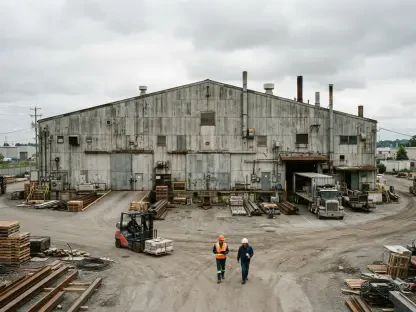
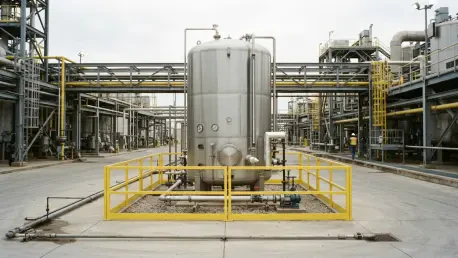
Environmental and pollution risks are another frequently neglected area within the middle market, especially among manufacturers who do not perceive themselves as traditional polluters. Many organizations operate facilities where chemical storage, waste disposal, or accidental runoff can trigger massive cleanup costs and regulatory fines that are not covered under standard property or liability policies. The complexity of these exposures is heightened by evolving environmental regulations that place greater accountability on mid-sized firms for their operational footprint. Because these companies often lack the budget for specialized environmental consultants, they may remain unaware of their exposure until a spill or contamination incident occurs. The financial impact of such events can be catastrophic, often exceeding the total value of the company’s primary liability limits. Recognizing this vulnerability is the first step toward building a more resilient organization, as it allows leadership to move beyond the false sense of security provided by general policies that lack specific pollution endorsements.
Strategic Solutions: Integrating Combined Coverage Forms
To address these specific environmental blind spots, the insurance industry has introduced innovative hybrid products that combine General Liability and pollution forms into a single, cohesive policy. These combined products provide a streamlined solution for companies that might otherwise remain uninsured for environmental damage due to the perceived cost or complexity of standalone policies. By integrating these coverages, carriers can offer a more comprehensive safety net that covers both bodily injury and property damage, as well as the specialized cleanup costs associated with environmental incidents. This approach not only simplifies the insurance procurement process for mid-sized firms but also ensures that there are no gaps between the primary liability and pollution layers. For a middle-market manufacturer, this type of strategic coverage is essential for protecting the balance sheet against low-frequency but high-severity events. It represents a maturation of the insurance market, moving toward products that are specifically tailored to the resource constraints and operational realities of the mid-sized sector.
Navigating Loss Trends and Technological Evolution
Loss Drivers: Frequency Versus Severity Trends
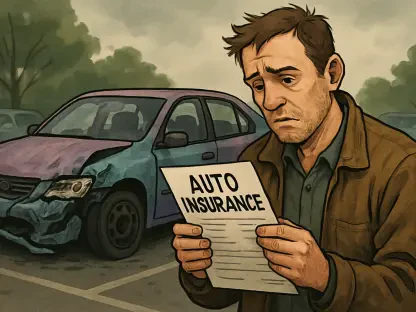
The current insurance environment is being shaped by two divergent loss patterns that require distinct management strategies: high-frequency claims in service sectors and high-severity claims in logistics and distribution. In the retail and hospitality industries, businesses are seeing a steady stream of general liability claims, primarily driven by premises-related injuries like “slip-and-fall” incidents. While these claims may be individually manageable, their cumulative volume can significantly erode profitability and drive up premium costs over time. In contrast, businesses managing their own distribution fleets are grappling with escalating automobile liability, where the frequency of claims may be lower, but the severity is reaching record levels. This severity is driven by a combination of rising repair costs for technologically advanced vehicles and the increasing cost of medical care. Understanding these drivers is crucial for middle-market firms as they look to implement targeted safety measures that address the specific loss characteristics of their industry, ensuring that their risk management efforts are both efficient and effective.
Legal Climates: Managing Social Inflation Impacts
Social inflation, particularly in litigious jurisdictions such as Florida and Texas, has become a primary driver of volatility for middle-market insurance programs. In these environments, a culture of high attorney representation and aggressive litigation leads to prolonged claim durations and settlements that often far exceed initial actuarial projections. This trend is further complicated by the rise of “nuclear verdicts,” where jury awards reach tens of millions of dollars for cases that would have previously been settled for much less. For mid-sized companies, this legal climate necessitates a more robust approach to excess casualty and umbrella layers, as primary limits can be quickly exhausted by a single large judgment. Navigating this landscape requires more than just high coverage limits; it demands a strategic partnership with carriers that offer aggressive claims management and specialized legal expertise. By identifying these trends early, companies can better prepare for the financial impact of social inflation and work to implement loss-prevention strategies that minimize their exposure to the most litigious environments.
Technical Support: The Role of Risk Engineering
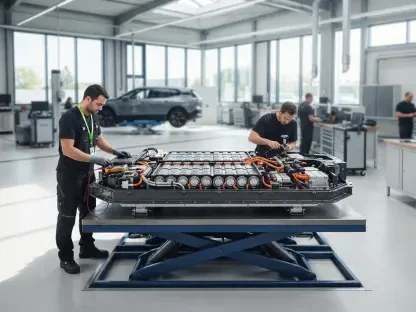
To compensate for the lack of internal safety personnel, leading insurance carriers are deploying risk engineers to provide hands-on technical support to middle-market clients. These experts visit facilities to identify physical hazards, evaluate existing safety protocols, and advise on best practices that are tailored to the specific industry. For a manufacturer or construction firm, a risk engineer provides a customized service plan that effectively mimics the functions of an in-house safety director, helping to build a culture of risk awareness from the ground up. This level of support is particularly vital during periods of rapid expansion, such as when a company opens a new facility or diversifies into a new product line. By identifying potential “pain points” before they result in losses, risk engineers help middle-market firms build a level of resilience that would otherwise be beyond their reach. This proactive approach not only reduces the likelihood of catastrophic accidents but also demonstrates to underwriters that the company is a well-managed and preferred risk, which can lead to more favorable pricing.
Advanced Analytics: Revolutionizing Modern Underwriting
The underwriting of middle-market risk is being revolutionized by the integration of advanced data platforms and artificial intelligence. Modern policy management systems allow carriers to consolidate complex workflows, enabling them to process submissions with greater speed and accuracy than was previously possible. Artificial intelligence is increasingly used to digest the massive amounts of data included in a typical insurance submission—ranging from multi-year loss runs to complex safety manuals—allowing underwriters to be more responsive to the needs of brokers and their clients. This technological shift is not merely about increasing efficiency; it is about precision in pricing and risk selection. By using artificial intelligence to identify patterns across thousands of middle-market files, insurers can more accurately predict emerging trends and identify risks that may be underpriced or overexposed. This data-driven approach allows for the creation of specialized cross-border offerings for multinational middle-market firms that operate across North America, ensuring that their coverage remains consistent and compliant.
Strategic Path Forward: Lessons in Resilience
The transition toward a more resilient risk framework required middle-market leadership to conduct comprehensive audits of their existing professional and environmental exposures. It was observed that firms which engaged in three-way partnerships between brokers, carriers, and internal stakeholders achieved far greater financial stability during volatile market cycles. Future success was predicated on the adoption of loss-sensitive programs for upper-tier entities, which allowed them to leverage their internal safety protocols to reduce fixed premium costs and retain more control over their risk financing. Successful organizations also prioritized the integration of real-time data analytics and technical support from risk engineers to bridge the internal expertise gap. These businesses moved away from viewing insurance as a static administrative expense and instead treated it as a dynamic asset that evolved alongside their operational footprint. By adopting these proactive measures, middle-market enterprises ensured that their long-term growth was not derailed by unrecognized liabilities, effectively securing their place as the cornerstone of the economy.