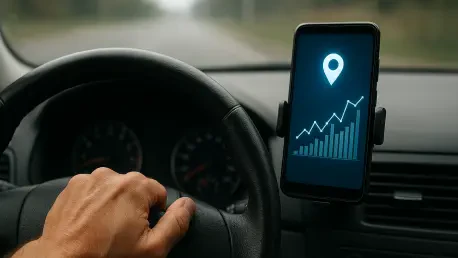

California stands as one of the few states that prohibits insurers from using behavioral data like sharp cornering to set individual insurance premiums. This regulatory firewall protects drivers from the more invasive aspects of telematics, yet for millions of other Americans, the reality of driving is becoming synonymous with constant observation. Major insurance carriers like State Farm, Progressive, and Allstate have successfully rebranded surveillance as a personalized discount opportunity. Through apps like Drive Safe & Save or Snapshot, drivers are encouraged to trade their privacy for the promise of lower premiums. However, the initial appeal of these digital incentives often masks a more troubling transformation of the automotive experience. By installing these trackers, consumers are not just engaging in a safety program; they are effectively turning their vehicles into mobile data harvesting stations. This shift marks a significant departure from historical privacy norms.
The Flaws of Algorithmic Safety
Context-Blind Monitoring: The Failure of Machine Logic
The software powering usage-based insurance is fundamentally limited by its inability to interpret the messy reality of the road. While a telematics device can record a sudden decrease in velocity, it remains entirely blind to the reason behind that movement. If a driver slams on their brakes to avoid a child running into the street or to prevent a collision with a reckless driver, the algorithm registers only a hard braking event. This binary classification system fails to distinguish between dangerous driving and successful emergency maneuvers that prioritize safety. Consequently, the very actions required to save lives are mathematically penalized, lowering the driver’s safety score and potentially increasing their financial burden. This creates a perverse incentive structure where drivers might hesitate to react appropriately in a crisis to avoid triggering a negative event on their insurance app. The reliance on raw data without situational context turns a tool into a rigid judge.
Socio-Economic Penalties: Beyond Driving Skill
Beyond mechanical metrics, telematics programs introduce systemic biases that disproportionately affect specific demographics based on their lifestyle and work schedules. Many insurance apps penalize late-night driving, which is often categorized as high-risk behavior due to reduced visibility and potential fatigue. However, this metric essentially serves as a tax on night-shift laborers, medical professionals, and blue-collar workers who must commute during these hours out of necessity. Similarly, individuals living in densely populated urban centers are frequently penalized for frequent stop-and-go traffic that requires more aggressive braking and acceleration than rural or suburban environments. These algorithms do not account for the quality of the driver’s skill but rather the geographic and economic circumstances of their lives. For a worker finishing a hospital shift at 3:00 AM, the app becomes a financial liability. This lack of nuance ensures that safe driving is defined by privilege.
Deceptive Pricing and Data Monetization
Financial Manipulation: The Illusion of Personalized Discounts
The financial structure of telematics enrollment often relies on a linguistic sleight of hand that obscures the true cost for the consumer. Many carriers promote these programs by promising that a driver’s base rate will not increase even if their safety score is low. However, this narrative ignores the mechanism of the signup discount, which is usually applied immediately upon activation of the tracking software. If the driver fails to meet the algorithm’s rigid standards during the monitoring period, this discount is simply removed at the time of renewal. From the perspective of the policyholder, the disappearance of a discount is indistinguishable from a rate hike, as the total premium due increases. This allows insurance companies to claim they do not raise rates based on data while simultaneously extracting higher payments from those who do not conform to their specific behavioral models. It is a subtle way to penalize drivers while maintaining a marketing façade of no-risk participation.
Data Brokerage: The Secret Pipeline to Big Tech
The implications of usage-based insurance extend far beyond the relationship between a driver and their insurance provider. The telemetry data harvested—including GPS coordinates, vehicle identification numbers, and even cabin temperature—is frequently funneled into a massive data-brokering pipeline. This information is sold to third-party entities, including major tech conglomerates and marketing firms, who use it to build comprehensive consumer profiles. By linking driving habits to other digital footprints, companies like Google or Meta can create a hyper-specific map of a person’s life, from where they shop to how often they visit medical facilities. This data is also processed by firms like LexisNexis and Verisk, which compile consumer risk scores used by lenders and other financial institutions. In this ecosystem, a driver’s private movements become a commodity, traded on a secondary market to determine everything from targeted advertising to the interest rates they are offered on loans.
Corporate Scandals and Regulatory Gaps
The General Motors Precedent: A Case Study in Deception
The risks inherent in automotive data collection reached a boiling point during the recent General Motors scandal involving the OnStar Smart Driver program. For several years, the automaker tracked millions of individual trips and sold the resulting behavioral data to brokers without the clear or informed consent of the vehicle owners. Many consumers only discovered they were being monitored when they found their insurance premiums skyrocketing or were denied coverage entirely due to risk reports they had never seen. This lack of transparency revealed a systemic disregard for consumer privacy within the industry, where digital prompts during vehicle delivery were used to trick drivers into enrollment. The subsequent legal fallout, which included a multimillion-dollar settlement and a ban on data sales by the Federal Trade Commission, highlighted the predatory nature of current telematics practices. This case serves as a definitive warning that without strict oversight, the industry will prioritize the monetization of data.
Legislative Failure: The Lack of Federal Oversight
Despite the clear dangers of unchecked surveillance, the current regulatory environment in the United States remains a fragmented patchwork that offers little protection to the average citizen. While states like California have set a high bar for privacy, most other jurisdictions lack the specific legislation required to curb the excesses of the telematics industry. There is no unified federal standard governing the collection, storage, or sale of real-time vehicle telemetry data. Agencies like the Federal Trade Commission operate under broad mandates that often fail to address the specific nuances of constant GPS tracking and behavioral analysis. Meanwhile, industry lobbyists actively work to prevent new regulations that would mandate transparency or give consumers ownership over their driving data. This legislative vacuum allows companies to continue their invasive practices with minimal risk of federal intervention. As long as the law lags behind the tech, drivers remain vulnerable to a system that views habits as profit.
Strategic Responses: Lessons from the Surveillance Shift
The evolution of the insurance industry into a data-driven surveillance state necessitated a radical shift in how consumers approached their personal privacy. It became clear that the promise of a small discount was often a poor trade for the absolute loss of behavioral anonymity. Moving forward, the most effective strategy for drivers involved a more critical evaluation of the terms and conditions buried within digital enrollment forms. Protecting individual data required demanding greater transparency from both automakers and insurers regarding exactly who had access to their telemetry reports. Legislators were encouraged to adopt a national framework modeled after more stringent state laws to ensure that surveillance pricing did not become the unavoidable norm for all citizens. Ultimately, the industry’s shift toward telematics proved that the true cost of insurance was no longer just a monetary premium, but the surrender of personal freedom on the open road. Balancing technology and privacy required a concerted effort from all.