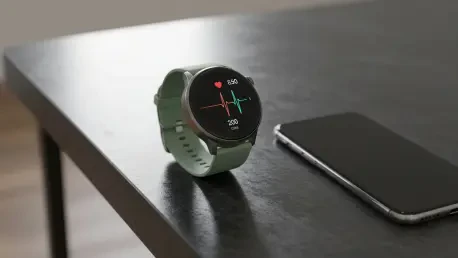

The rapid evolution of wearable technology has finally reached a tipping point where a fifty-dollar device can legitimately challenge the dominance of industry titans costing ten times as much. When Nothing launched the CMF Watch 3 Pro, it did not just release another budget accessory; it introduced a disruptive force into a market long defined by the high-margin strategies of brands like Apple. This shift has forced consumers to re-evaluate whether the prestige of a name brand truly justifies the steep financial investment, especially as the gap between entry-level innovation and established luxury continues to shrink.
This comparative landscape pits the lean, value-focused CMF Watch 3 Pro against the sophisticated behemoths of the smartwatch world. While premium devices aim to be all-encompassing lifestyle companions, the CMF brand focuses on democratizing the high-end experience. By stripping away the fluff and doubling down on core functionalities, this device targets the segment of the market that craves reliability and modern aesthetics without the burden of a premium price tag.
Defining the Landscape: Budget Innovation vs. Established Premium Wearables
The emergence of the CMF Watch 3 Pro signals a new chapter in the 2026 tech economy, where the “Nothing” philosophy of clean design meets aggressive pricing. In a market where a standard Apple Watch or a high-end Garmin can easily exceed several hundred dollars, CMF provides a jarring alternative. This disruption is particularly evident on platforms like Woot! and Amazon, where promotional volatility has seen the Watch 3 Pro drop to a record-low price of $44.99. This represents a 55% discount from its original retail price, undercutting even major industry-wide sales.
Identifying the key players involves looking at the technical gulf between these categories. High-end competitors rely on deeply integrated ecosystems and proprietary software to maintain their market share. In contrast, the CMF Watch 3 Pro seeks to provide a multipurpose tool for fitness tracking and smart connectivity that remains accessible to the average user. It positions itself as a bridge, offering the sleek “Apple Watch-style” look while maintaining a budget-friendly profile that appeals to those wary of the high entry costs of the flagship giants.
Functional Performance and Technical Specifications
Health Monitoring and Precision Tracking Capabilities
When comparing the health suites of these devices, the CMF Watch 3 Pro holds its ground surprisingly well against the premium alternatives. It features a comprehensive array of tools, including blood oxygen monitoring, stress tracking, heart-rate measurement, and in-depth sleep analysis. While high-end watches often boast medical-grade certifications for certain sensors, the CMF device provides the essential metrics needed for daily wellness management, making it more than sufficient for the non-professional athlete.
Perhaps the most significant technical achievement for a budget device is the inclusion of dual-band GPS. High-accuracy location tracking is a feature typically reserved for expensive flagship models or dedicated rugged outdoor watches. By integrating this hardware, the CMF Watch 3 Pro ensures that outdoor runners and cyclists receive precise data during their workouts. This inclusion directly challenges the notion that one must pay a premium for hardware that can accurately navigate and log movement in complex environments.
Battery Longevity and Power Management Efficiency
Battery life remains the primary battleground where budget innovation often outperforms market-leading hardware. Premium smartwatches, burdened by power-hungry displays and constant background syncing, frequently struggle to last more than 24 hours without a visit to the charger. This daily maintenance requirement is a significant pain point for users. However, the CMF Watch 3 Pro thrives in this area, boasting a remarkable 16-day battery life on a single charge, even when utilizing active tracking features.
This efficiency represents a fundamental difference in philosophy regarding power management. While a premium competitor might prioritize a high-refresh-rate interface or a vast library of third-party apps, CMF prioritizes endurance and low maintenance. For many users, the convenience of only charging a device twice a month outweighs the benefit of niche software features. This longevity ensures that the watch remains on the wrist, collecting data, rather than sitting on a nightstand or charging puck.
Build Quality, Aesthetics, and Industrial Design
In terms of physical construction, the CMF Watch 3 Pro mimics the premium aesthetic of much more expensive hardware. Reviewers have noted that the “on-wrist” feel defies its budget-tier categorization, utilizing design choices that bridge the gap in perceived value. The light green colorway, in particular, offers a stylish and modern look that avoids the “cheap plastic” feel often associated with low-cost wearables. It provides a clean, minimalist silhouette that fits both casual and professional settings.
Despite its affordability, the device does not sacrifice industrial design for cost savings. The intentional mimicry of the Apple Watch’s iconic shape allows users to enjoy a high-end visual experience. While premium watches might use materials like titanium or sapphire glass, the CMF Watch 3 Pro uses durable, high-quality composites that provide a lightweight and comfortable fit for all-day wear. This focus on “perceived premiumness” ensures that the user feels they are wearing a piece of modern tech rather than a budget compromise.
Implementation Challenges and Market Considerations
Choosing a budget-tier device over a flagship does come with specific trade-offs, primarily regarding the software ecosystem. Premium devices offer deep integration with other hardware, such as seamless music control, extensive third-party app stores, and advanced voice assistant capabilities. The CMF Watch 3 Pro, while functional, lacks the expansive app support found on watchOS or Wear OS. Users must decide if they need a mini-smartphone on their wrist or if a highly capable fitness and notification hub is sufficient.
Market considerations also play a role in the purchasing decision. The significant price fluctuations on retail platforms like Woot! mean that the value proposition of the CMF device can change overnight. Furthermore, moving away from established brands requires a look at long-term support. While premium brands guarantee years of software updates and a robust repair network, budget-friendly innovators are still building that trust. Consumers must weigh the immediate $44.99 savings against the long-term stability of a more expensive brand’s ecosystem.
Conclusion: Determining the Ultimate Value Proposition
The comparative analysis highlighted a significant shift in how wearable value was perceived. The CMF Watch 3 Pro successfully identified the essential needs of the modern user—battery life, accurate GPS, and aesthetic appeal—and delivered them at a fraction of the traditional cost. While premium alternatives offered deeper software integration and specialized medical tools, the $44.99 price point of the CMF device redefined what was possible for a budget-tier wearable. It proved that high-quality health monitoring and long-lasting hardware were no longer exclusive to those willing to spend hundreds of dollars.
Moving forward, consumers should look at their daily habits to decide which path serves them best. For those who require a device for professional-grade athletic training or a seamless extension of their smartphone’s app ecosystem, the premium flagship remained the logical, albeit expensive, choice. However, for the vast majority of users who sought a reliable, stylish, and low-maintenance tool for fitness tracking and notifications, the CMF Watch 3 Pro emerged as the superior value. Future considerations will likely focus on how these budget devices expand their software capabilities, potentially narrowing the gap even further and forcing premium brands to reconsider their pricing structures.