
By offering flexible excesses and clear coverage limits, Naked aims to shift the focus of pet care from affordability to animal well-being. In South Africa, the relationship between people and their domestic animals has undergone a fundamental transformation, with dogs and cats now viewed as integral family members rather than mere companions. This shift has created an urgent demand for financial services that mirror the sophistication and speed found in other modern industries. Naked has identified a significant gap where traditional insurance models often fail due to high premiums and bureaucratic hurdles that prevent timely medical intervention. By integrating its proven digital-first framework into the veterinary sector, the company provides a solution designed to mitigate the intense emotional and financial strain that typically follows a medical emergency. The introduction of this product represents a calculated expansion aimed at streamlining the entire lifecycle of pet healthcare management for modern South African households.
The Impact: Harnessing Artificial Intelligence for Rapid Claims
The core of this new initiative rests on a sophisticated technological framework that replaces traditional, paper-intensive processes with a highly efficient artificial intelligence engine. Traditional insurers in South Africa have long been criticized for their slow response times, which can leave pet owners in a precarious position during late-night emergencies or unexpected accidents. Naked’s AI-driven system is designed to bypass these bottlenecks by analyzing claims in real-time, allowing for a level of responsiveness that was previously considered impossible in the domestic market. For instance, the company recently highlighted a case where an owner submitted a claim for a dog’s emergency procedure at 10:30 PM, only to receive the funds in their bank account within twenty minutes. This speed is not merely a convenience but a vital support mechanism that allows families to authorize life-saving surgeries without waiting for external financial verification or navigating complex manual approvals.
Looking at the performance data, the efficiency of this automated approach is evident in the current processing metrics observed across the platform. The median duration from the initial submission of a claim to the final payment stands at 1.3 days, a significant improvement over the industry standard which often stretches into weeks. Furthermore, early statistics indicate that approximately 60% of all claims are settled within 48 hours, while nearly 29% reach approval and payment within a single hour of the user’s request. This rapid reimbursement cycle is essential for maintaining the liquidity of households facing sudden veterinary bills that can often reach several thousand rands. By utilizing machine learning to verify invoice details and policy coverage instantly, the system reduces the friction traditionally associated with insurance. This reliability ensures that the insurer functions as a real-time financial partner, effectively removing the administrative barriers that frequently complicate high-stress medical crises.
Professional Standards: Integrating Technology with Veterinary Care
Financial accessibility remains a cornerstone of the product strategy, with entry-level plans for cats and dogs starting at competitive rates of R40 and R55 per month, respectively. These accident-only tiers provide a safety net for sudden injuries, but the platform also offers more comprehensive tiers that encompass illness, chronic conditions, and routine preventative care like vaccinations. A pivotal innovation in Naked’s policy design is the deliberate removal of treatment-specific sub-limits, which are common in many competing products. In standard insurance models, an owner might find their coverage for specific costs, such as diagnostic blood tests or overnight hospital stays, capped at a very low amount despite having a high overall policy limit. Naked addresses this by applying the total chosen annual limit—ranging from R15,000 to R120,000—to the entire cost of a covered treatment. This transparency allows consumers to understand their protection clearly and avoid unexpected out-of-pocket expenses.
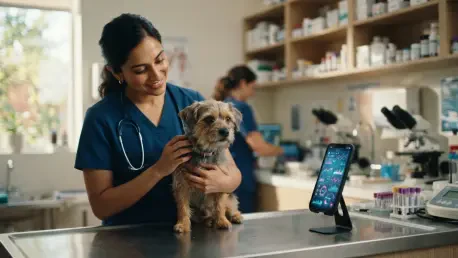
The necessity for such transparent financial planning is underscored by the current economic realities of veterinary medicine in South Africa. Professional consultations and basic diagnostic procedures frequently exceed R800, while surgical interventions for common issues like internal obstructions can easily range from R5,800 to R15,000. For many families, these costs are prohibitively high, leading to a phenomenon known as economic euthanasia, where life-saving care is denied solely due to a lack of funds. By providing a structured and predictable insurance model, the platform seeks to eliminate the emotional guilt associated with these financial decisions. The ability for owners to select their own excess levels further enhances this flexibility, ensuring that the monthly cost of the policy remains manageable without sacrificing the quality of the coverage. This approach fosters a more sustainable relationship between pet owners and veterinary professionals, as the focus remains on the medical requirements of the animal.
The successful implementation of this AI-powered insurance model demonstrated that digital transformation could effectively solve long-standing financial challenges within the South African pet care sector. By prioritizing speed and transparency, the platform provided a blueprint for future insurance products that sought to eliminate the friction between medical necessity and financial capability. Owners were encouraged to maintain a proactive stance by using integrated app features to monitor their policy’s relevance as veterinary costs evolved over time. This approach not only improved the standard of care for domestic animals but also offered a sustainable solution for families looking to protect their household budgets from unforeseen crises. Ultimately, the integration of these advanced algorithms and user-centric policies fostered a more compassionate and efficient healthcare environment, where the bond between humans and their pets was shielded from the volatility of sudden medical expenses.