
Walking through a crowded terminal while feeling the physical manifestation of anxiety—a tightness in the chest and a racing pulse—often leads people to reach for a pill, yet a new generation of wearables offers a biological shortcut through electrical pulses. This physiological intervention targets the vagus nerve, a critical component of the human nervous system that dictates how the body transitions from high-alert states back to a baseline of calm. While traditional wellness practices like deep breathing or meditation require significant mental effort and quiet environments, non-invasive vagus nerve stimulation (nVNS) provides a passive or semi-passive alternative. The growing popularity of these devices suggests a shift in how society approaches mental health, moving toward tools that communicate directly with the body’s internal circuitry.
The current market is dominated by two distinct philosophies represented by Pulsetto and Hoolest. On one side, there is a push for a fully integrated, app-driven experience that allows for hands-free use, designed to fit into the background of a busy day. On the other side, a segment of the population prefers tactile, analog simplicity that emphasizes immediate relief without the need for a smartphone. This tension between high-tech immersion and friction-free utility defines the decision-making process for anyone looking to optimize their stress response. As these technologies become more common, understanding the nuances of their delivery mechanisms is essential for achieving the best physiological outcomes.
Choosing the right device involves more than just comparing price tags or aesthetic appeal; it requires an evaluation of how stimulation parameters interact with human biology. The efficacy of nVNS depends on factors like the intensity of the electrical current, the duration of use, and whether the stimulation is applied to one or both sides of the neck. Furthermore, the long-term success of these tools relies heavily on user compliance. A device that is difficult to set up or uncomfortable to wear will likely end up in a drawer, rendering its therapeutic potential useless. Therefore, a deep dive into the hardware, software, and clinical foundations of these two leading contenders is necessary to determine which path leads to true nervous system regulation.
The Thirty-Second Shift: Can Zapping Your Neck Really Silence a Stress Response?
Modern life creates a persistent paradox where the tools meant to help people relax often become sources of stress themselves. Many individuals find that the more they try to “quiet the mind,” the louder the inner monologue of deadlines and anxieties becomes. This struggle occurs because the body’s sympathetic nervous system—the “fight or flight” mechanism—remains stuck in a loop of perceived threats. When the physical body is agitated, the mind follows suit, making traditional relaxation techniques feel impossible for many high-stress professionals. Vagus nerve stimulation bypasses the mental struggle by sending an external signal to the parasympathetic nervous system, effectively forcing the body to recognize that it is safe.
Pulsetto addresses this challenge by offering a hands-free neckband that treats the user with bilateral stimulation. By placing the device around the neck, the user can engage in other activities, such as light desk work or reading, while the device performs its work. This design acknowledges that modern relaxation often needs to happen in the margins of a busy schedule. The convenience of not having to hold a device allows for longer sessions, which can be critical for deep-seated stress. The tactile feedback is designed to be noticeable but not intrusive, providing a rhythmic pulse that serves as a physical anchor for the user’s awareness.
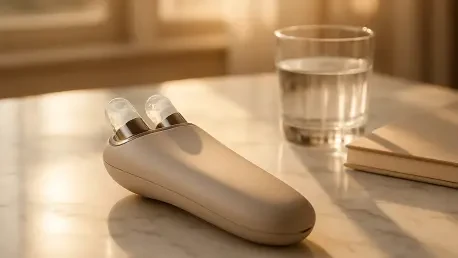
In contrast, Hoolest offers the VeRelief Prime, a handheld wand that prioritizes portability and immediate, targeted relief. This device is meant to be used during acute moments of distress, such as a sudden wave of panic or a particularly taxing meeting. The manual nature of the device requires the user to stop what they are doing and focus on the sensation for a few minutes. While this might seem like a disadvantage in terms of multitasking, it creates a dedicated ritual of self-care. The simplicity of a button-operated wand appeals to those who want a digital detox, providing a tactile experience that does not involve a screen or a complex setup process.
From Clinical Therapy to Consumer Tech: Why Vagus Nerve Regulation Is Trending
The vagus nerve is often described as the information superhighway of the body, carrying signals between the brain and the major organs, including the heart, lungs, and gut. For decades, the medical community has utilized vagus nerve stimulation to treat severe health conditions, but this typically involved invasive surgical procedures to implant electrodes. The recent trend toward non-invasive wearables represents a significant leap forward, making these therapeutic benefits accessible to the general public. This shift is part of a broader movement in biohacking and wellness, where people are increasingly seeking data-driven methods to manage their internal environments.
One of the most compelling reasons for the rise of these devices is the concept of “dwell time,” or the duration an individual remains in a state of high arousal after a stressful event. In a healthy nervous system, the body should return to a state of equilibrium shortly after a threat disappears. However, chronic stress often causes the body to lose this flexibility, leading to prolonged periods of agitation, poor sleep, and systemic inflammation. Vagus nerve regulation tools are designed to retrain the body to “switch off” more efficiently. By consistently stimulating the nerve, users can improve their heart rate variability (HRV), which is a key metric of resilience and overall health.
As we move through 2026, the normalization of these “neck zappers” has reduced the stigma once associated with mental health technology. What was once seen as a niche medical intervention is now a standard part of the high-performance toolkit, used by athletes, executives, and students alike. The transition from clinical settings to consumer tech has also sparked a competitive environment that drives innovation. Manufacturers are constantly refining the electrical waveforms and the ergonomics of their devices to ensure they are both effective and pleasant to use. This democratization of neurotechnology allows individuals to take direct control over their physiological state without relying solely on pharmaceutical interventions.
A Side-by-Side Comparison of Hardware, Software, and Stimulating Power
When examining the physical design of these devices, the differences in ergonomics highlight two very different use cases. Pulsetto features a flexible, U-shaped neckband made of high-quality materials that can adjust to various neck sizes. This design ensures that the electrodes remain in constant contact with the skin, which is vital for maintaining a consistent electrical loop. Hoolest’s VeRelief Prime, on the other hand, is a rugged, handheld wand that feels more like a tool. It is designed to be durable and portable, making it an excellent choice for travelers or those who commute frequently. While Pulsetto excels in home or office environments where a user can sit still, Hoolest is built for the “on-the-go” lifestyle.
The technical specifications reveal a significant gap in stimulating power between the two products. Pulsetto is the more robust device, offering a voltage range that reaches up to 46 volts across nine different intensity levels. This allows users to start at a very gentle setting and gradually increase the intensity as their tolerance grows. Furthermore, because it is a neckband, it stimulates both sides of the vagus nerve simultaneously. Hoolest operates on a much lower power scale, topping out at around 10 volts with five intensity levels. It provides unilateral stimulation, meaning the user must switch sides of the neck manually to achieve a comprehensive effect.
The software ecosystems represent perhaps the largest divide between the two brands. Pulsetto is built around a sophisticated app that serves as a central hub for the user’s wellness journey. The app provides guided sessions for specific goals like sleep, anxiety, or burnout, and it tracks progress over time. For many, this data-driven approach is a major selling point, as it provides tangible evidence of improvement. Hoolest completely avoids the app-centric model, opting for a device that works independently of any smartphone. This “analog” approach is specifically designed for people who find technology to be a source of stress and want a device that is as simple to operate as a flashlight.
Validating the Hype: Clinical Research and the Reality of Stress Recovery
The credibility of nVNS technology is supported by an expanding library of peer-reviewed research. A study from late 2025 focusing on Pulsetto users demonstrated a measurable decrease in cortisol levels and significant improvements in reported sleep quality among a cohort of 37 participants. These findings align with the general consensus that consistent stimulation can indeed nudge the nervous system toward a parasympathetic state. Hoolest also has a strong academic foundation, as its technology was developed in tandem with clinical trials exploring the mitigation of acute panic and anxiety. These studies provide the necessary validation that these devices are more than just expensive gadgets; they are legitimate tools for physiological change.
Users often describe the experience of using these devices as a “fizzy” or “tingling” sensation on the skin. It is not painful, but it can be surprising for those who have never experienced electrical muscle stimulation or similar therapies. Finding the right intensity is a crucial part of the process, as stimulation that is too weak may be ineffective, while stimulation that is too strong can cause discomfort or muscle twitching. Most users find that their “sweet spot” is a setting where they can feel the pulse clearly but without any sharp or stinging sensations. This physical feedback serves as a reminder that the device is actively communicating with the nervous system.
Safety remains a paramount consideration for anyone entering the world of vagus nerve stimulation. While nVNS is generally considered safe for the healthy population, there are strict contraindications that must be observed. Individuals with pacemakers or other implanted medical devices should avoid these products, as the electrical currents could interfere with their operation. Similarly, pregnant individuals and those with specific heart or neurological conditions are advised to consult with a medical professional before use. As the technology becomes more widespread, both Pulsetto and Hoolest have made safety instructions a central part of their onboarding processes to ensure that users achieve relaxation without risk.
Determining Your Ideal Fit: A Strategy for Integrating VNS into Your Routine
The ultimate success of any wellness device is determined by the consistency with which it is used. The most sophisticated technology in the world cannot provide benefits if it sits unused on a bedside table. Therefore, the “best” device is the one that fits most naturally into an individual’s existing lifestyle. For a user who values data, structure, and a hands-free experience, Pulsetto is the clear choice. It allows for the integration of vagus nerve stimulation into a morning routine or a pre-sleep wind-down without requiring the user to change their behavior significantly. The ability to track HRV through the app further reinforces the habit by providing a sense of accomplishment.
Conversely, Hoolest is the superior option for those who prioritize simplicity and immediate access. If the goal is to have a tool that can be whipped out during a stressful commute or a high-pressure situation without fumbling with a phone, the handheld wand excels. It is also the better choice for those who are sensitive to the recurring costs of wellness technology. While Hoolest does require the purchase of gel tips, its upfront cost and lack of a premium subscription model appeal to a different financial demographic. Managing the conductive gels and tips is a small price to pay for the immediate relief that these devices can provide when used correctly.
The journey toward a regulated nervous system was a process that required patience and realistic expectations. The results of using either Pulsetto or Hoolest were rarely instantaneous; rather, they accumulated over weeks of daily practice. Users who committed to a thirty-day protocol often found that their baseline stress levels decreased, and their ability to bounce back from difficult situations improved. Future developments in the field suggested that these devices would only become more personalized, with sensors that could automatically adjust stimulation based on real-time physiological data. By choosing the device that aligned with their personal habits, individuals took a proactive step toward mastering their internal chemistry and reclaiming their sense of peace.