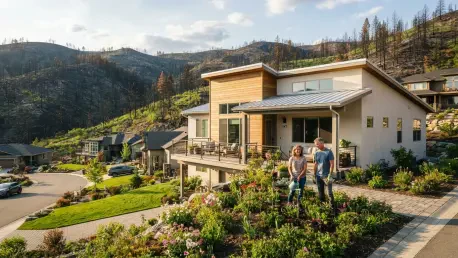

Successful property restoration depends on an aggressive pursuit of insurance clarity to ensure that every necessary repair is accounted for within the claims process. When devastating wildfires like the Eaton and Palisades blazes sweep through residential areas in Altadena and Pasadena, the aftermath leaves families grappling with more than just scorched earth. The weight of displacement is quickly followed by the overwhelming logistical burden of navigating a complex recovery landscape that demands immediate action and technical expertise. Property owners often find themselves standing amidst ruins, unsure where the line between insurance coverage and actual reconstruction costs lies. Organizations like All County Environmental & Restoration have stepped into this void to act as a bridge between the policyholder and the provider. By prioritizing early intervention and a thorough analysis of policy language, these experts ensure that the path toward physical reconstruction is paved with realism.
Bridging the Gap Between Coverage and Reality
A recurring challenge in the current 2026 landscape is the stark discrepancy between what homeowners believe their insurance covers and the actual financial limits of their policies. Many individuals discover too late that their coverage is insufficient to restore a modern home to its pre-disaster state, especially given the rising costs of specialized materials and labor. To combat this, specialized general contractors now function as comprehensive intermediaries who handle everything from initial damage assessments to direct negotiations with insurance adjusters. This integrated approach allows for a more streamlined flow of information, reducing the likelihood of critical repair steps being omitted from the claim. By clarifying deductibles and establishing realistic reconstruction budgets early on, these professionals prevent the administrative delays that often keep families in temporary housing for months longer than necessary. This coordination is essential.
Navigating the nuances of policy language requires a level of literacy that goes beyond a standard reading of a benefits summary. Insurance providers may not be proactive in informing policyholders about the inflationary pressures or code upgrade requirements that significantly drive up rebuilding costs in Southern California. Expert consultants analyze these documents to identify potential shortfalls before the first shovel hits the ground, ensuring that homeowners are fully aware of their financial standing. This transparency is vital because it allows residents to make informed decisions about whether to rebuild exactly as before or to adapt their plans to fit a revised budget. Furthermore, having a professional advocate during the claims process ensures that the technical details of the damage are communicated in a way that insurers cannot easily dismiss. This aggressive pursuit of clarity serves as a safeguard, protecting the homeowner’s long-term financial health.
Technical Remediation and Resilient Reconstruction
The physical restoration of a property begins long before any new walls are framed, starting instead with the meticulous removal of hazardous materials. Wildfires create complex environmental threats, as the intense heat and subsequent firefighting efforts often leave behind a mixture of soot, ash, and moisture that can lead to rapid mold growth. In older residences throughout Los Angeles County, the disturbance caused by fire can also release dangerous levels of asbestos and lead, necessitating specialized abatement protocols that must meet strict environmental safety standards. Professionals in the field prioritize water extraction and leak detection immediately following the event to stabilize the structure and prevent further degradation. Odor neutralization is another critical phase, as smoke particles can penetrate deep into porous materials, making a home uninhabitable even if it appears structurally sound. Addressing these hidden dangers requires a combination of high-tech sensors and industrial equipment.
The navigation of the post-fire landscape hinged on the early adoption of a comprehensive and aggressive management strategy. Homeowners who moved quickly to secure expert representation and environmental assessments found themselves better positioned to secure necessary funding and meet construction milestones. These residents bypassed the common pitfalls of inadequate coverage by demanding transparency from their providers and utilizing the technical expertise of specialized contractors to document every facet of their loss. The process concluded with the hand-off of keys to families who returned to homes that were safer and more efficient than those they had lost. Future success for others in similar positions remained tied to the lessons learned during these recovery cycles. By treating the restoration as a coordinated operation, communities fostered a faster and more sustainable path toward total renewal.