
The traditional map of American severe weather is undergoing a dramatic reconfiguration that forces a total reassessment of property risk and emergency management protocols across the nation. For decades, the term “Tornado Alley” conjured images of the vast, open Great Plains, where swirling funnels were a predictable, if dangerous, part of life. However, recent meteorological data and insurance industry reports suggest that the boundaries of this volatile region are blurring and moving. As severe convective storms (SCS) become more frequent and unpredictable, homeowners across a much wider swath of the United States are finding themselves in the crosshairs.
This shift explores the urgent need for a change in how the public perceives tornado risk, examining the geographic migration of these storms, the escalating economic toll they take, and the proactive steps necessary to protect both lives and property. Industry leaders now recognize that the stability once found in regional weather patterns has been replaced by a more erratic and widespread threat. Consequently, the preparation strategies of the past are no longer sufficient to address the complexities of the modern atmospheric environment.
The Evolution of the American Storm Landscape
Historically, the heart of tornado activity was centered firmly in Texas, Oklahoma, and Kansas. While these areas remain high-risk zones, the last few decades have seen a notable 400- to 500-mile eastward shift in peak activity. This migration toward the Southeast and Midwest is not merely a statistical anomaly; it represents a fundamental change in the atmospheric patterns that govern severe weather. Understanding this historical context is vital because many communities now facing record-breaking storm counts—such as those in Missouri, Illinois, and Tennessee—were not originally built with the same rigorous wind-resistance standards.
The legacy of infrastructure and public perception is now being tested by a new era of atmospheric volatility. In many of these newly active regions, the prevalence of older building stock creates a vulnerability gap that did not exist in the traditional plains. As the frequency of these events increases outside of the historical core, the demand for updated structural reinforcements and enhanced warning systems has become a top priority for local governments and developers alike.
The Socioeconomic Impact of a Changing Climate
The Rising Cost: Severe Convective Storms
One of the most startling revelations in recent insurance analysis is that severe convective storms—a category encompassing tornadoes, hail, and straight-line winds—have overtaken tropical cyclones as the costliest insured peril of the 21st century. For three consecutive years, insured losses from these events have exceeded $50 billion annually. This shift marks a departure from the era when single, massive hurricanes were the primary drivers of disaster spending. Today, a high frequency of smaller but intensely destructive events is creating a “death by a thousand cuts” scenario for the insurance industry and homeowners alike.
Total economic damages currently reflect a steep upward trajectory, with 2026 serving as a benchmark for high-cost storm seasons. The cumulative effect of these frequent events puts immense pressure on the capital reserves of insurance providers. For the average policyholder, this means that even if a home is not directly hit by a major tornado, the general increase in regional storm activity can lead to higher premiums and stricter underwriting requirements.
Regional Vulnerabilities: Heightened Human Risk
As tornado activity moves into the Southeast, the human risk factor increases exponentially. Unlike the flat, sparsely populated plains of the West, the Southeast is characterized by denser populations and a high prevalence of mobile homes. Statistics show that residents of mobile homes face a fatality risk 15 to 20 times higher than those in permanent structures during severe weather. This demographic reality necessitates a shift in public safety messaging and the deployment of community storm shelters in areas that previously lacked such infrastructure.
Furthermore, the “Dixie Alley” region is notorious for nighttime tornadoes, which are twice as likely to be fatal because they are difficult to see and often strike while residents are asleep. The presence of dense forest cover in these states also limits visual warnings, making early detection technology even more critical. This geographic transition demands a localized approach to safety that accounts for these specific regional dangers and the unique socioeconomic fabric of the affected communities.
Compounding Factors: Property Damage Trends
Beyond the wind itself, several non-weather drivers are inflating the cost and complexity of tornado damage. Rapid urbanization in hazard-prone areas means there is simply more “value” in the path of any given storm. Additionally, rising labor costs, expensive construction materials, and the prevalence of aging infrastructure—specifically aging roofs—make recovery more expensive than in previous decades. These variables combine to create a landscape where a storm today is significantly more expensive to repair than a meteorologically identical storm from twenty years ago.
Legal system abuse and inflated claims have also contributed to a tightening insurance market, making the claims process more adversarial in some jurisdictions. This environment places a heavy burden on homeowners to maintain their property meticulously to avoid claims denials. The intersection of economic inflation and increased storm frequency means that property owners must be more diligent than ever in managing their assets.
Predicting the Storms of Tomorrow
The future of tornado readiness will likely be defined by a “new normal” where predictability is lower and intensity is higher. Experts predict that technological and regulatory shifts will be necessary to keep pace with these changes. More stringent building codes integrated into residential construction and a greater reliance on AI-driven meteorological modeling are becoming the standards for providing longer lead times for warnings. As the atmosphere becomes more energetic due to warming trends, the window for preparation may remain narrow.
The industry anticipates that the volatility seen in 2026 is not a peak, but rather a baseline for future years, necessitating a permanent shift in how disaster recovery is funded. Urban sprawl continues to push residential developments into historically rural areas, increasing the likelihood of significant property damage. To counter this, insurance models are evolving to prioritize resilience-based incentives, rewarding homeowners who invest in impact-resistant roofing and reinforced garage doors.
Strategic Measures: Homeowners and Policyholders
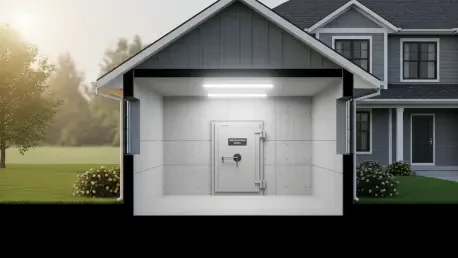
To navigate this escalating risk, a proactive strategy is the only effective defense for those living in the path of potential storms. Physical safety must be paired with administrative diligence to ensure a full recovery after an event. Homeowners should establish a clear emergency plan that identifies a safe zone, such as a reinforced basement or an interior room on the lowest floor, away from windows. Investing in a NOAA Weather Radio is a low-cost, high-impact step that ensures alerts are received even when cellular networks fail or residents are sleeping.
On the financial side, documentation is paramount; taking high-resolution photos of assets and keeping digital copies of receipts for high-value items can significantly speed up the claims process. It is also recommended to conduct a thorough review of insurance policies annually to ensure coverage limits reflect current rebuilding costs in an inflationary market. Understanding the difference between replacement cost and actual cash value can prevent a financial shortfall during a time of crisis.
Securing the Future Against the Whirlwind
The shifting boundaries of Tornado Alley served as a stark reminder that environmental risks remained fluid and required constant adaptation. By acknowledging the eastward migration of these storms and the rising economic stakes involved, homeowners and businesses gained a better foundation for the unpredictable. The analysis showed that relying on historical data alone was no longer a viable strategy for long-term security. Ultimately, the resilience of communities depended on a combination of individual vigilance, updated infrastructure, and a clear-eyed understanding of the financial protections necessary to weather the storm. The shift toward more robust building standards and the integration of advanced warning systems offered a path forward in a more volatile climate. This comprehensive approach ensured that while the storms were inevitable, the level of devastation they caused did not have to be a foregone conclusion.