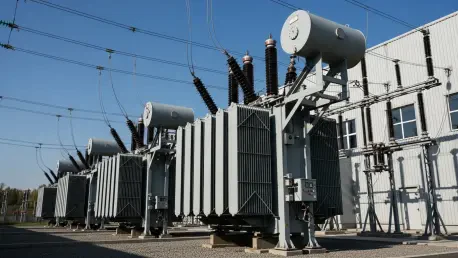

While the digital world obsesses over the next generation of silicon chips and liquid cooling systems, the actual bottleneck of the artificial intelligence revolution is a heavy, century-old technology made of copper and iron. This hardware, known as the electrical transformer, has remained fundamentally unchanged for decades, yet it has suddenly become the most sought-after asset in the global economy. As hyperscale data centers expand at a breakneck pace, the traditional energy grid is struggling to keep up, turning a once-stagnant commodity market into a high-stakes strategic battleground for infrastructure dominance.
The Resurgence of the Electrical Grid’s Foundational Hardware
Iron-core transformers serve as the silent sentinels of the global digital economy, regulating the voltage levels required to move power from massive plants to delicate server racks. For years, this sector was considered a sleepy corner of industrial manufacturing, dominated by massive conglomerates like GE, Siemens, and Mitsubishi. However, the sudden surge in energy consumption driven by AI has transformed these humble components into high-priority strategic assets.
The competitive landscape is currently undergoing a radical shift as agile disruptors enter a space previously reserved for industrial giants. While legacy firms operate with massive overhead and slow decision-making cycles, new players are finding ways to navigate a market that has transitioned from surplus to extreme scarcity. This transformation is fueled by rapid electrification and the insatiable appetite of data centers that require specialized power solutions delivered in months, not years.
Driving the Super-Cycle of Global Energy Infrastructure
The Convergence of Artificial Intelligence and Renewable Electrification
The current AI boom is creating a unique demand for localized power distribution that traditional grid models were never designed to handle. Unlike standard residential loads, data centers require immense, consistent power blocks that must be integrated quickly. This urgency has forced a move toward modularity, where adaptable hardware designs are replacing the rigid, custom-engineered solutions of the past. By utilizing flexible specifications, developers can secure equipment even before final site plans are locked in.
Consumer behaviors among data center developers have shifted significantly, with speed-to-market now taking precedence over traditional procurement rituals. Investors and builders are no longer willing to wait on the multi-year timelines offered by domestic incumbents. To bypass these industrial bottlenecks, strategic firms are leveraging international manufacturing partnerships, particularly in regions with established heavy industrial bases like India, to maintain a steady flow of hardware to high-growth tech hubs.
Quantitative Projections for the Global Transformer Shortage
Industry analysts are closely monitoring what many call a “super cycle,” evidenced by order books that have ballooned to over $500 million for emerging providers. This growth is a direct result of skyrocketing lead times, which have jumped from a few months to several years for standard utility-grade units. The widening gap between supply and demand has created a lucrative environment for venture capital, which is now flowing into hardware manufacturing—a sector it historically avoided in favor of software.
Current performance indicators suggest that grid expansion requirements will continue to intensify through the end of the decade. Market data points to a sustained need for high-voltage equipment as decentralized energy resources and large-scale battery storage units are integrated into the existing framework. This sustained demand provides a safety net for investors who see critical infrastructure as a resilient hedge against the inherent volatility of the pure-play technology sector.
Navigating Supply Chain Bottlenecks and Manufacturing Constraints
Legacy incumbents have largely failed to expand their internal capacity, often citing fears that the current demand might be a temporary bubble. This hesitation has left a void that smaller, more aggressive companies are eager to fill. By avoiding the “customization trap”—where every unit is a unique engineering project—new entrants are standardizing designs to ensure faster production cycles without sacrificing the reliability required by utility companies.
Managing global logistics remains a significant challenge, requiring sophisticated quality control measures for overseas production. Success in this environment depends on the strategic deployment of capital to secure long-term manufacturing slots before they are snatched up by competitors. By maintaining a presence at the source of production, disruptors can ensure that the hardware arriving at domestic sites meets the rigorous standards of the modern electrical grid.
Standardizing Power Distribution in a Rapidly Evolving Regulatory Climate
Grid reliability standards and safety certifications play a massive role in determining which new hardware entrants can actually connect to the wires. Navigating the maze of international trade regulations between the United States and manufacturing hubs like India requires deep expertise in both engineering and policy. Furthermore, environmental compliance and energy efficiency mandates are forcing a fundamental redesign of how transformers handle heat and energy loss during transmission.
Evolving energy policies are effectively mandating a faster modernization of aging utility infrastructure that has been neglected for decades. Regulators are increasingly favoring hardware that can support bidirectional power flows and fluctuating inputs from renewable sources. This regulatory pressure is acting as a catalyst, pushing the industry away from reactive maintenance and toward a proactive overhaul of the entire distribution network.
Beyond Iron Cores: The Roadmap to Next-Generation Power Management
Establishing brand equity through the delivery of reliable legacy hardware serves as a strategic “foot-in-the-door” for future technological shifts. While iron-core transformers provide the immediate solution, the long-term roadmap points toward advanced solid-state technology that offers greater control and efficiency. By building a massive customer base today, companies can position themselves as the preferred providers for the next generation of digital power management.
The rise of decentralized energy resources and microgrids will likely redefine how hardware is deployed across the landscape. The future grid will require a balance between traditional electromagnetics and smart, software-enabled systems that can respond to real-time changes in demand. Those who can bridge the gap between the immediate need for heavy iron and the future of digital energy management will likely dictate the terms of the market for the next several decades.
Bridging the Gap Between Legacy Reliability and Modern Demand
The pragmatism of using proven technology to solve modern bottlenecks has redefined the relationship between the tech sector and the industrial base. By securing $25 million in venture backing, Ayr Energy demonstrated that even the most conservative industries are ripe for disruption when the stakes of the AI revolution are high enough. This capital infusion allowed for the aggressive scaling of manufacturing partnerships that traditional banks might have deemed too risky during a period of rapid technological change.
Moving forward, stakeholders must view the transformer market as the essential backbone of the future electrical grid rather than a mere secondary component. Investors should focus on the companies capable of navigating complex international supply chains while maintaining the high quality-assurance standards required by utility regulators. The success of this industrial pivot proved that the fastest way to power the future often involves mastering the fundamental tools of the past.