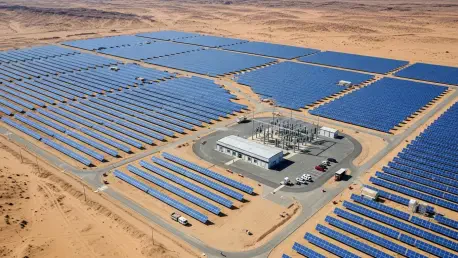

The global transition toward a sustainable energy future has fundamentally altered the blueprint of the energy sector, moving away from centralized fossil fuel systems toward decentralized renewable networks. As reliance on carbon-heavy fuels wanes, it is being replaced by a massive influx of renewable infrastructure, ranging from sprawling solar installations in desert environments to towering offshore wind turbines in the North Sea. For years, these assets were viewed by the insurance and risk management industries as relatively safe and predictable investments. Losses were generally considered “attritional,” meaning they were small, manageable, and frequent. However, a significant paradigm shift is now occurring as the scale of these projects moves into a new dimension of complexity and exposure.
Low-carbon power has evolved from a benign asset class into a distinct catastrophe risk class. As the size of these projects increases and they are deployed in increasingly volatile environments, the potential for high-severity losses has risen significantly. This transformation is driven by technological scaling, systemic design flaws, and the mounting pressures of extreme weather events. By examining these shifts, financial stakeholders and operators can better navigate the complex financial and operational risks inherent in the modern green energy transition. The following analysis explores the factors driving this volatility and the emerging strategies required to stabilize the market.
The Shifting Landscape: The Rise of High-Stakes Energy Infrastructure
Historically, the risk profile of renewable energy was viewed through the lens of early-stage adoption where installations were modest in size and scope. In the previous decade, onshore wind turbines and solar panels were typically deployed in well-understood, stable geographic regions. Because the technology was simpler and the installations were less concentrated, the financial impact of a single failure remained limited. These minor losses were easily absorbed by traditional insurance models, fostering a sense of long-term stability regarding the financial health of green infrastructure projects.
The industry has recently undergone a rapid evolution characterized by a move toward mega-projects that rival traditional power plants in output and footprint. This shift was driven by the urgent global need for decarbonization and the pursuit of aggressive economies of scale. As the industry matured, the focus shifted from small-scale pilots to massive industrial deployments that span hundreds of acres or square miles of ocean. This transition laid the groundwork for a landscape where the sheer size and complexity of modern assets have outpaced the historical data used to manage their risks, rendering old models obsolete.
Historical Evolution: Moving Beyond the Myth of Benign Renewables
For much of the early twenty-first century, renewable energy was considered a low-volatility sector for investors and underwriters. Most solar arrays were low-profile, and wind farms consisted of standardized turbines that had been tested over decades. The risk of a “total loss” was statistically low because a fire or structural failure in one unit rarely affected the broader installation. This era of benign renewables allowed the sector to grow rapidly with relatively cheap insurance premiums and low capital requirements for risk mitigation.
However, the pursuit of higher efficiency has led to the development of massive, unproven hardware that carries different risk characteristics. As the industry pushes the boundaries of engineering, it has inadvertently introduced vulnerabilities that resemble those found in heavy industrial manufacturing or aerospace. The historical data that once suggested renewables were a “safe bet” now fails to account for the catastrophic potential of modern, high-capacity systems. Understanding this historical shift is critical for recognizing why contemporary risk management strategies must be radically overhauled to accommodate high-severity scenarios.
Drivers of Volatility: Identifying the Heightened Risk Profiles
Systemic Vulnerability: The Danger of Rapid Scaling and Serial Production
The physical expansion of renewable assets is one of the most visible drivers of increased risk in the current market. Onshore wind turbines have seen their capacity triple in a remarkably short period, while offshore units have reached staggering proportions to capture more energy. This rapid scaling introduces what is known as serial production risk. Manufacturers frequently release new, larger iterations of technology without the benefit of multi-year operational testing. When these unproven designs are deployed across entire fleets, a single manufacturing or design defect can manifest simultaneously across hundreds of units. Instead of an isolated incident, a systemic flaw can lead to catastrophic financial losses that threaten the viability of multiple projects, creating a nightmare scenario for insurers.
Concentrated Failure Modes: The Risks of Enabling Technologies
Beyond wind and solar, the integration of Battery Energy Storage Systems and carbon capture technologies has changed the nature of loss severity. In a traditional solar farm, a localized fire might damage only a small percentage of the panels; however, in a storage facility, the risk is vertical. Due to the high fire load of lithium-ion technology, a single thermal runaway event can lead to a total loss of the entire asset. These technologies possess failure modes that resemble heavy industrial plants where the potential for a complete wipeout is a constant threat. The concentration of energy in these systems means that a minor technical glitch can quickly escalate into a massive, uncontrollable event that destroys millions of dollars in infrastructure within minutes.
Geographic Volatility: The Impact of Global Natural Catastrophes
As the demand for green energy grows, projects are increasingly being sited in regions with harsh or unpredictable environmental conditions. This expansion exposes assets to natural catastrophe profiles such as typhoons, hurricanes, and severe hail that they were never originally designed to withstand. Recent events have shown that even marginal perils, like hail, can devastate solar installations, leading to massive insurance payouts and industry-wide pricing resets. Furthermore, as offshore wind moves into deeper and more turbulent waters, the difficulty of maintenance and the vulnerability to extreme weather increase. These geographic shifts create a volatile environment where shock losses are becoming the new norm for the industry.
Emerging Trends: The Future of Energy Underwriting and Risk Mitigation
The future of the low-carbon power sector will be defined by how it adapts to these escalating risks over the coming years. One emerging trend is the increased use of artificial intelligence and digital twins to predict mechanical failures before they become catastrophic. Technological innovation is also moving toward more resilient materials and advanced fire suppression systems designed specifically for high-capacity battery units. On the regulatory front, there is a clear trend toward stricter standards regarding where and how these assets are built, particularly in high-risk climate zones.
From an economic perspective, the insurance market is moving toward a subscription-based model. No longer will a single insurer take on the full risk of a massive offshore project; instead, risk will be distributed across multiple players to limit individual exposure. This shift is leading to a hardening of the market, where premiums are driven by sophisticated data modeling rather than anecdotal evidence. As technology continues to evolve faster than historical data can keep up, the industry will rely more on real-time monitoring and transparent data sharing between operators and underwriters to maintain financial stability.
Strategic Framework: Success in a New Risk Era
The transition of low-carbon power into a catastrophe risk class necessitates a total rethink of risk management strategies for developers and investors. To thrive in this new environment, organizations should focus on the following pillars:
- Prioritize Due Diligence: Rigorous testing and a cautious approach to serial technology iterations can prevent systemic failures that cripple entire portfolios.
- Diversify Geographic Exposure: Spreading assets across different climate zones and grid regions can mitigate the impact of localized natural catastrophes.
- Enhance Operational Standards: Higher maintenance frequencies and better fire-protection protocols are no longer optional but are critical for securing insurance capacity.
- Focus on Infrastructure Resilience: Identifying and reinforcing shared infrastructure, such as substations, can prevent single points of failure from stopping production across project clusters.
Market Analysis Synthesis: Navigating the Realities of Green Power
The analysis demonstrated that the assumption of renewable energy as a low-risk asset class was no longer supported by current market data. Stakeholders recognized that the sector now displays all the hallmarks of a catastrophe risk class, including high severity potential and systemic vulnerabilities. The industry identified that the shift from attritional to catastrophic risk required a more scientific, data-driven approach to both underwriting and day-to-day operations.
Moving forward, the successful deployment of green infrastructure necessitated a move away from aggressive scaling in favor of long-term resilience. Investors and operators found that protecting the financial and physical integrity of these assets was the only way to ensure the viability of the energy transition. By treating low-carbon power with the same rigor as the most complex industrial sectors, the market established a more sustainable path toward a net-zero future that accounted for the true cost of risk. The transition proved that while the technology was new, the fundamental principles of catastrophic risk management remained essential for global progress.