

The escalating frequency of extreme weather events across the United States has pushed the traditional property insurance model to a breaking point, forcing many major carriers to retreat from high-risk zones or implement unsustainable premium hikes. For decades, insurers relied on historical loss

The traditional architecture of insurance underwriting is currently undergoing a radical metamorphosis as the industry moves away from rigid legacy systems toward adaptive, AI-native frameworks. This transition represents a shift from manual data manipulation to automated orchestration, where
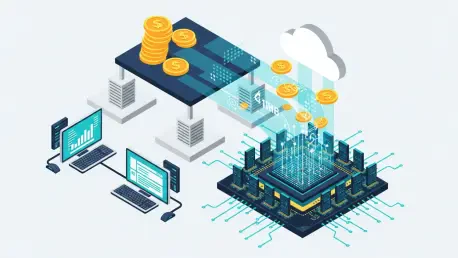
Tech executives at major firms like Microsoft, Google, and Meta continue to pour hundreds of billions of dollars into data centers and specialized silicon despite a growing chorus of skeptics questioning the immediate return on these massive investments. This phenomenon suggests a state where the

The sight of a single courtroom gavel hitting a mahogany bench now carries the potential to dismantle decades of financial stability for even the most robust multi-state healthcare organizations. In the current landscape, the traditional methodologies utilized by hospital administrators to mitigate

Small business owners often believe that their modest scale provides a natural shield against the sophisticated machinery of global cybercrime, but the data suggests that this false sense of security is actually their greatest vulnerability. Despite the critical role small and medium-sized

The days when a generic insurance policy could safeguard a multinational corporation or a specialized healthcare provider against digital catastrophe have officially ended as the global threat landscape reaches a state of permanent volatility. For years, the industry relied on broad revenue