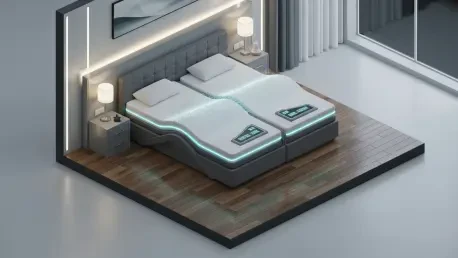
The landscape of sleep technology has undergone a radical transformation, moving far beyond the simple foam and springs of the past to embrace fully integrated biometric systems. In 2026, the bedroom is no longer just a place for rest; it has become a sophisticated laboratory for health

The biological friction of a screeching electronic alarm clock remains one of the most persistent physiological stressors in the modern household, yet we are finally seeing a widespread shift toward light-based chronobiology. Instead of the traditional "disruptive jolt" that triggers a cortisol

The shift from traditional fiber optics to wireless home connectivity has reached a critical tipping point where the hardware must finally match the sheer speed of modern infrastructure. For years, Fixed Wireless Access (FWA) was viewed as a secondary choice for those unable to secure a physical

The modern landscape of home automation has reached a critical junction where the sheer diversity of communication standards often creates more frustration for the average consumer than the promised convenience of a truly connected living space. This persistent "language barrier" forces device
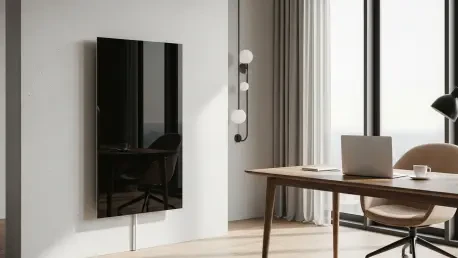
The traditional space heater has long been the unsightly stepchild of interior design, a clunky plastic box that whirs and glows in the corner of an otherwise curated room. However, the arrival of the Boldr Kelvin has sparked a heated debate among tech critics and home stylists who wonder if a
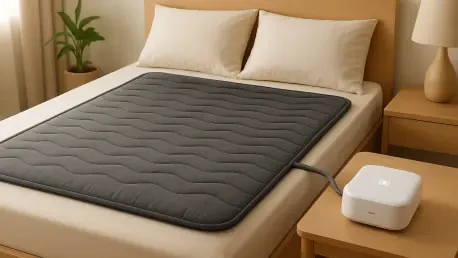
The pervasive nature of sleep technology has seamlessly integrated into modern life, evolving from simple wrist-worn devices to comprehensive systems that promise to revolutionize nightly rest. While many are familiar with tracking sleep stages through watches and rings, a new wave of innovation is