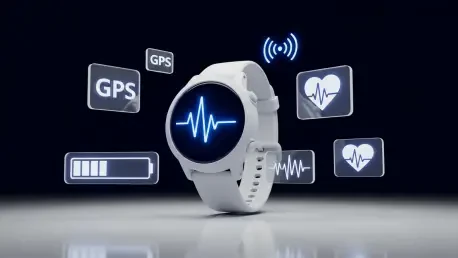

The arrival of the Garmin Forerunner 70 and 170 series marks a significant transformation in the industry, where high-performance display technology and elite training metrics are no longer restricted to premium price brackets. This strategic release signifies a pivotal transition for the brand as it effectively retires the aging Forerunner 55 and reshapes the expectations of the budget-friendly segment. By introducing these sophisticated models, the company has elevated the baseline for what a standard running watch should provide, moving beyond simple distance and pace tracking to offer a holistic health and performance ecosystem.
This shift in strategy reveals a calculated move to integrate high-end display hardware and complex physiological analytics into devices that were once considered basic. Consequently, the traditional entry-level label has been fundamentally redefined, forcing athletes to navigate a more nuanced product hierarchy. Runners must now decide whether modern lifestyle conveniences, such as mobile payments and onboard music, justify a significant price increase when the core athletic performance features remain virtually identical across the entire new series.
Deconstructing the Hardware and Value Proposition
The hardware architecture of the latest Forerunner models demonstrates a deliberate attempt to standardize the user experience while using internal components as the primary market differentiators. By examining the technical specifications of both the Forerunner 70 and the 170, it becomes apparent that the value proposition is heavily weighted toward the base model for those who prioritize sport over secondary digital conveniences.
The Battery Life Paradox: Why Paying Less Grants More Time Between Charges
A critical anomaly in the current lineup is the inverse relationship between the cost of the device and its operational endurance. Technical evaluations indicate that the more affordable Forerunner 70 offers a robust 13 days of battery life in smartwatch mode, whereas the premium Forerunner 170 provides only 10 days on a single charge. This discrepancy creates a compelling debate for endurance athletes, as the device with the lower price point actually grants 30% more time between visits to the charging cable, making it more reliable for long training cycles.
Industry data suggest this endurance gap stems from the background overhead required by the NFC chips and Wi-Fi modules integrated into the 170 and 170 Music models. These components exert a constant, albeit small, drain on the internal battery even when the features are not actively being utilized by the wearer. For the high-mileage runner who cares more about device longevity during a marathon build than the ability to pay for a post-run coffee with their wrist, the leaner hardware of the Forerunner 70 proves to be the more efficient tool.
Furthermore, the battery performance under active GPS tracking remains a primary concern for the competitive community. While both models utilize efficient power management systems, the lack of extraneous background tasks on the Forerunner 70 ensures a more predictable discharge rate during long sessions. This paradox highlights a rare instance in the wearable market where a financial saving directly correlates with a tangible performance benefit in terms of power management.
Standardizing the Visual Experience Across the Forerunner Ecosystem
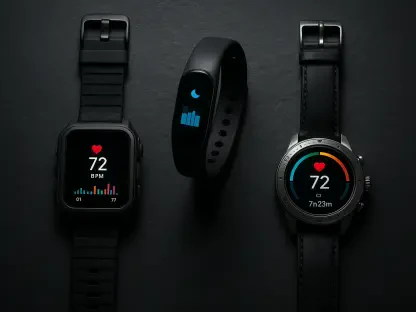
Garmin has officially moved away from the traditional memory-in-pixel screens that defined previous generations of budget wearables, equipping both the Forerunner 70 and 170 with a vibrant 1.2-inch AMOLED display. This industry shift ensures that legibility and modern aesthetics are no longer reserved for those spending mid-range or premium prices. The shared hardware architecture provides identical contrast, color depth, and brightness levels, ensuring that a runner using the base model has the same visual experience as one using the more expensive versions.
This homogenization of display technology represents a major win for budget-conscious users, as the fluid animations and high-resolution watch faces are no longer a point of compromise. However, this shift also narrows the visual gap between the devices, making the internal sensor suite and connectivity options the only real ways to distinguish the models. By providing such a high-quality screen on the entry-level unit, the brand has essentially removed one of the strongest historical incentives for athletes to upgrade to higher-priced tiers.
Democratizing Elite Analytics: Training Readiness for the Budget-Conscious Athlete
One of the most disruptive aspects of this release is the inclusion of Training Readiness and Training Status on the base Forerunner 70. Historically, these metrics were gate-kept for elite units like the 900-series, but their presence in the 2026 entry-level line suggests a democratization of high-level sports science. By offering identical software-driven insights—including sleep coaching, acute load monitoring, and health snapshots—the company has challenged the assumption that professional-grade recovery data requires a massive financial investment.
This software parity ensures that the pure, data-driven runner can access nearly 100% of the physiological analytics found in more expensive siblings. The Training Readiness widget, which synthesizes sleep history, recovery time, and HRV status, provides actionable daily guidance that was once a luxury. For athletes who rely on these metrics to avoid overtraining and optimize their schedules, the Forerunner 70 offers a level of sophistication that matches the needs of serious competitors without the premium price tag.
The shared sensor suite also plays a role in this democratization, as both models utilize the Elevate Gen 4 optical heart rate sensor. While this is not the flagship Gen 5 sensor found in top-tier units, it remains a highly reliable and proven technology for the vast majority of running conditions. By keeping the core biometric tracking consistent across the 70 and 170 models, the brand has ensured that the accuracy of the data remains high, regardless of which price point a runner chooses.
Evaluating the Lifestyle Premium: Are Contactless Payments and Music Worth the Upgrade?
The distinction between the models rests almost entirely on non-sporting features such as NFC for Garmin Pay and onboard storage for offline music. Comparative analysis reveals a regional divide in the actual value of these upgrades. While NFC is a convenient staple in the United States due to broad bank support, inconsistent compatibility in various international markets can leave the Forerunner 170 hardware functionally dormant for many users. This turns a $50 premium into a wasted investment for those whose local banks do not support the proprietary payment system.
Similarly, the Forerunner 170 Music requires a $100 jump from the base model to include Wi-Fi connectivity and internal storage for playlists. This choice represents a specialized investment in a phone-free lifestyle rather than an investment in better athletic performance. For runners who already carry a smartphone for safety or those who prefer the sound of their environment, the extra expenditure provides no tangible benefit to their training or health tracking.
Ultimately, the lifestyle features of the 170 series are convenience-based additions that do not influence the accuracy of the GPS or heart rate data. When evaluating these models, it is essential to determine if the ability to leave a wallet at home is worth both the financial cost and the reduction in battery life. For a large portion of the running community, the “smart” upgrades of the 170 may not offer enough daily utility to overcome the pure athletic value found in the Forerunner 70.
Strategic Buying Advice for Different Runner Profiles
To maximize value, most athletes should prioritize the Forerunner 70, as it offers the most robust battery life and the same core GPS and heart rate sensors as the higher-tier models. The core functionality remains identical across the board, providing reliable tracking for daily training without the added bulk of lifestyle-focused electronics. This model is particularly suited for high-volume trainees and those who prefer a minimalist approach to their gear while still demanding high-quality data and a modern AMOLED interface.
For those who consider on-wrist music and contactless payments essential for safety or convenience during long-distance runs, the Forerunner 170 remains a viable, albeit less efficient, option. The best practice is to evaluate the specific need for a digital wallet or integrated Spotify before committing to the extra $50 to $100 premium that the 170 series demands. If these features do not solve a specific problem in a runner’s routine, the Forerunner 70 stands as the more logical and performance-oriented choice.
The Verdict: Why the Forerunner 70 Is the Logic-Driven Choice for 2026
The updated Forerunner lineup demonstrated that professional-grade training insights have successfully reached a wider audience than ever before. This analysis showed that the base model frequently emerged as the superior choice for focused athletes who prioritized battery longevity over secondary smart features. By offering more time between charges and identical high-performance software at a lower price point, the Forerunner 70 stood out as the most balanced device in the catalog.
The market transition toward high-quality displays across all tiers removed the traditional visual incentive for upgrading, making the choice purely about specific lifestyle needs. Moving forward, buyers should focus on confirming bank compatibility for payment features and assessing their actual reliance on phone-free music before making a purchase. As the wearables market continued to mature, this release served as a reminder that the most expensive tool was not always the most effective one for reaching a personal best. Aggregating these insights allowed for a clearer understanding of how to balance financial investment with tangible training benefits.