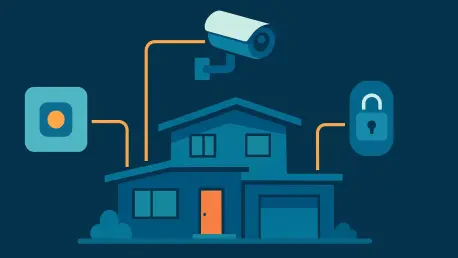
The traditional reliance on expensive monthly contracts for residential protection has finally reached a critical breaking point as consumers seek more autonomy over their own digital safety. In the landscape of 2026, the concept of home security has evolved from a monolithic service provided by

The transition from simple step counting to clinical-grade cardiac monitoring has created a massive data-insight gap that standard consumer software cannot bridge effectively. For years, the general public viewed smartwatches and fitness bands as mere novelties or motivational tools to encourage a
The integration of the Neural Engine within the S11 chip ensures that advanced AI features like Audio Intelligence operate efficiently and reliably. For years, the wearable landscape focused on basic telemetry, but the Series 12 marks a definitive pivot toward dense, actionable data streams. By

The intersection of regional military tensions and digital warfare has forced Western utilities and healthcare providers to enter a state of prolonged defensive vigilance. As the geopolitical landscape shifts between major powers like the United States and regional actors such as Iran, the

Immutable offline backups have become the primary defense for companies seeking to recover from ransomware without paying attackers. This strategic shift emerges as the digital landscape undergoes a radical transformation where traditional defensive perimeters no longer offer sufficient protection.

Regulatory frameworks in North America and Asia are emerging to mirror European standards, driving a global increase in legal and administrative expense coverage. This shift represents a fundamental realignment of how corporations perceive digital risk, moving from a reactive stance to a proactive