

Combining quota share arrangements with dedicated event-based protection allows insurers to mitigate basis risk while maintaining a stable capital base. The modern insurance landscape has shifted from a state of reactionary response to a sophisticated era of predictive structural management where

The partnership serves as a blueprint for how professional services can blur their boundaries to provide a more robust and cost-effective path to digital resilience. In a climate where digital threats have become more sophisticated, the strategic alliance between Acrisure UK and ESET marks a
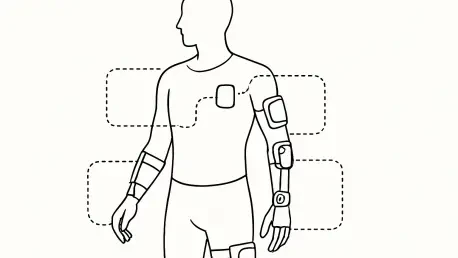
The seamless fusion of biological movement and synthetic intelligence has finally moved from the laboratory to the sidewalk, fundamentally altering how humans perceive physical limits. This evolution marks a departure from the era of notification-centric devices toward a landscape defined by active

Internal data from a decade of insurance claims reveals that traditional medical malpractice remains a more severe financial threat than the highly publicized risk of cyberattacks. This realization comes at a time when the digital health sector is experiencing a surge in artificial intelligence

Insurance providers now offer multidisciplinary response teams that provide more value through immediate incident management than through simple financial payouts. This evolution in the insurance landscape mirrors a broader legislative transformation across New Zealand, where digital resilience is

Insurers are transitioning from annual point-in-time risk assessments to continuous, data-driven monitoring to help policyholders identify zero-day vulnerabilities in real-time. This shift represents a broader departure from legacy security models that once relied on static perimeters and reactive