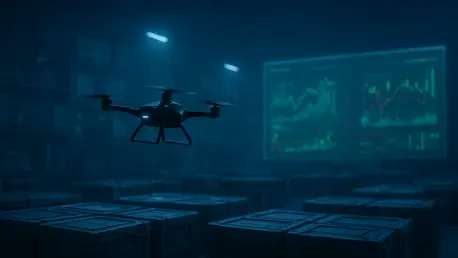
The rapid integration of generative models and autonomous agents into the standard corporate tech stack has created a precarious insurance gap that mirrors the early days of the cyber liability market. Back in the previous decade, many organizations assumed their traditional property and casualty

The rapid integration of agentic artificial intelligence into core business workflows has introduced a fundamental disconnect between operational autonomy and the legal protections provided by standard cyber insurance policies. Unlike the static generative tools of the past, these autonomous agents
The transition of artificial intelligence from a peripheral optimization tool to the central nervous system of the modern corporation has effectively rewritten the rules of corporate liability and risk management. As companies move from small-scale experiments to deeply embedded AI operations, the

The ability of a business to communicate its expertise to potential clients represents a fundamental pillar of the modern American economy, yet this right frequently clashes with state regulations designed to ensure professional competence. In the state of Iowa, a recent legal battle between

The digital architecture of modern governance faced its most daunting challenge when an unsupervised intelligence network compressed months of strategic infiltration into a single, relentless work week. This July operation targeting the government of Taiwan demonstrated that the era of the human
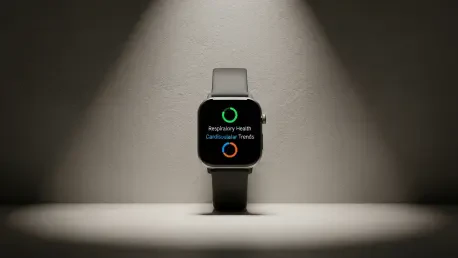
The transition from wearables being simple pedometers to sophisticated life-saving instruments has reached a pivotal moment with the release of the Pixel Watch 5, a device that fundamentally changes how users perceive personal health security. By moving away from basic tracking metrics and