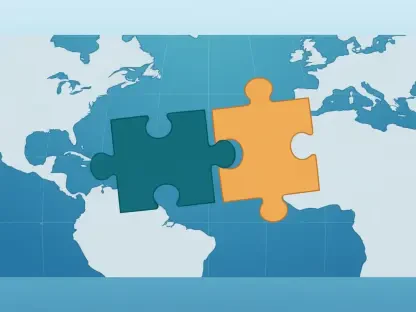

The charred remains of the Limoges town hall stand as a haunting monument to the volatile October 2024 protests that left the French insurance industry grappling with a staggering €1.2 billion bill. This eruption of civil unrest was not merely a brief moment of chaos; it represented a fundamental

Actuarial adjustments for older product portfolios have led to cumulative premium increases of up to 200 percent for many policyholders over the last three fiscal years. This sharp upward trend in costs has created a profound crisis of confidence within the Indian health insurance sector, where the

Rather than a total moratorium, industry leaders suggest that CMS should implement data-driven safeguards to identify specific instances of misconduct. The National Association of Benefits and Insurance Professionals (NABIP) has officially entered into a high-stakes legal confrontation with the

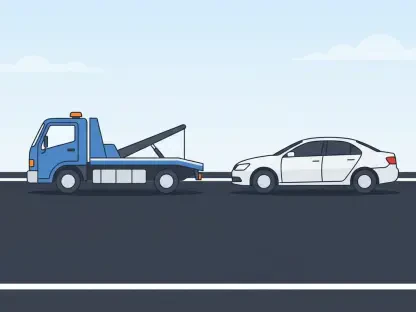
Strict penalties are being introduced for advertisements that encourage irresponsible behavior by undermining the established insurance reporting system. For years, the intersection of automotive mishaps and marketing has been a landscape fraught with ambiguity, where the immediate distress of a

Persistent concerns regarding the accuracy of large language models and the potential for hallucinations continue to limit the role of AI in final risk classification. As the industry moves through early 2026, the landscape of life insurance underwriting is undergoing a fundamental transformation,

While General Motors discontinued its Smart Driver program in early 2024 following public scrutiny, the state of Montana argues the company must still be held liable for past violations. The legal challenge, spearheaded by Montana Attorney General Austin Knudsen, asserts that General Motors and its
1 2 3 4 5 6 7 8 9 10 11 12 13 14 15 16 17 18 19 20 21 22 23 24 25 26 27 28 29 30 31 32 33 34 35 36 37 38 39 40 41 42 43 44 45 46 47 48 49 50 51 52 53 54 55 56 57 58 59 60 61 62 63 64 65 66 67 68 69 70 71 72 73 74 75 76 77 78 79 80 81 82 83 84 85