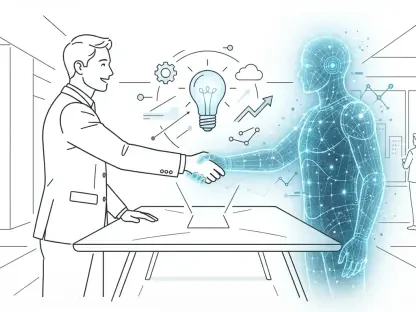

The adoption of the Model Context Protocol by industry leaders like OpenAI and Google DeepMind establishes it as the standard for integrating AI into corporate ecosystems. This shift marks a departure from the fragmented digital landscapes that once plagued the commercial insurance sector, where

According to a 2026 survey by the European Insurance and Occupational Pensions Authority, nearly two-thirds of European insurers have initiated generative artificial intelligence projects. This significant shift illustrates how the industry is moving past the stage of cautious skepticism to embrace

The implementation of a three-tiered insurance architecture addresses climate risk at the individual, community, and national levels to provide a comprehensive safety net for food-insecure populations. This shift represents a fundamental transformation in how global humanitarian organizations like

The standing-room-only attendance at the recent NAIC gathering in Columbus underscored the urgency for insurers to transition artificial intelligence from a theoretical concept to an operational priority. For years, the insurance sector treated machine learning as a future-oriented project, but the

The digital architecture of modern governance faced its most daunting challenge when an unsupervised intelligence network compressed months of strategic infiltration into a single, relentless work week. This July operation targeting the government of Taiwan demonstrated that the era of the human
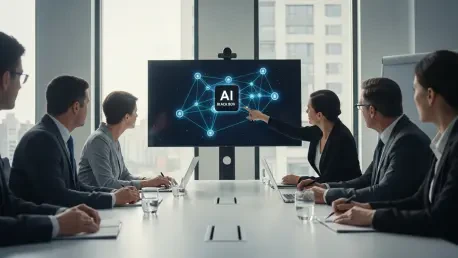
Simon Glairy is a recognized expert in the fields of insurance and Insurtech, with a specialized focus on risk management and AI-driven risk assessment. As algorithms increasingly take the wheel in underwriting and claims processing, Simon provides a vital voice on the "human element" that must