
The traditional claim-and-wait model is being challenged by parametric coverage that can settle payments in as little as 48 hours without the need for manual paperwork or adversarial handling. This evolution marks a significant transition into an era of selective exuberance, where global funding

The prevailing concern for property owners has long been the catastrophic impact of fire or flood, yet statistical evidence now confirms that the quiet, persistent intrusion of water poses a far more frequent threat to modern assets. Experts note that escape-of-water incidents have become the
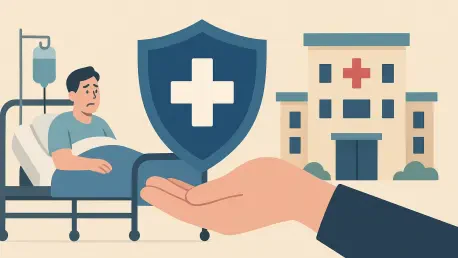
The structural misalignment of the United States healthcare payment architecture prioritizes the operational liquidity of corporate entities over the financial stability of the families they are meant to serve. This systemic orientation transforms the health insurance card from a shield for the

The Hartford is prioritizing the removal of functional silos to ensure that data insights can be more easily translated into operational improvements. By integrating its Data and Artificial Intelligence department directly into the broader Technology division, the insurer aims to eliminate the

The use of the London Bridge risk transformation platforms allows institutional funds to deploy capital without the administrative burden of establishing full syndicates. This development has transformed the 300-year-old institution from a traditional, somewhat insular marketplace into a highly

The silence echoing through a modern manufacturing plant following a localized disaster is often far more expensive than the physical wreckage left behind by fire or flood. For decades, the standard math of industrial insurance was simple: the bricks, mortar, and machinery were the most expensive