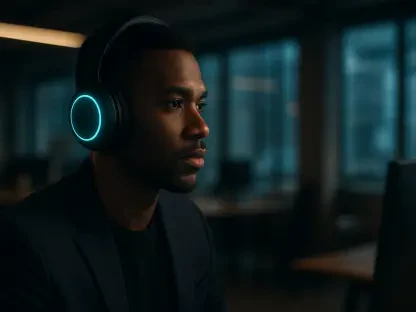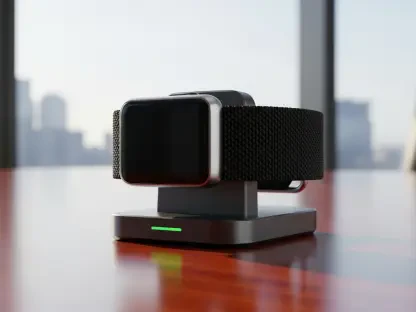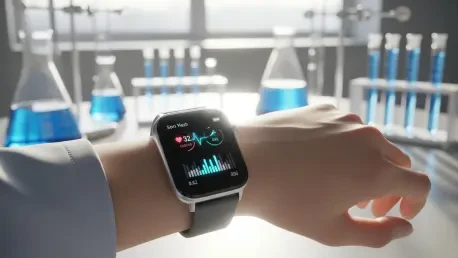

The biological friction of a screeching electronic alarm clock remains one of the most persistent physiological stressors in the modern household, yet we are finally seeing a widespread shift toward light-based chronobiology. Instead of the traditional "disruptive jolt" that triggers a cortisol
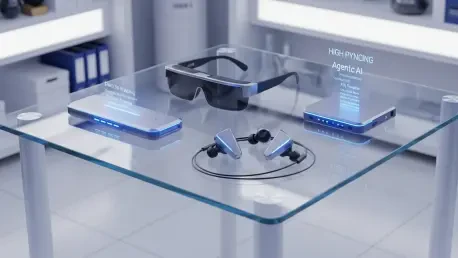
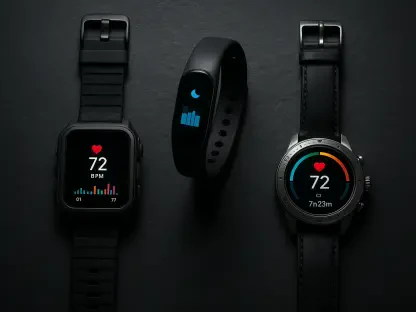
The 2026 Mobile World Congress in Barcelona officially signaled the sunset of the smartphone-centric era as manufacturers collectively pivoted toward a future defined by ambient intelligence and high-performance wearable ecosystems. For more than a decade, the mobile industry revolved around the

The shift from traditional fiber optics to wireless home connectivity has reached a critical tipping point where the hardware must finally match the sheer speed of modern infrastructure. For years, Fixed Wireless Access (FWA) was viewed as a secondary choice for those unable to secure a physical
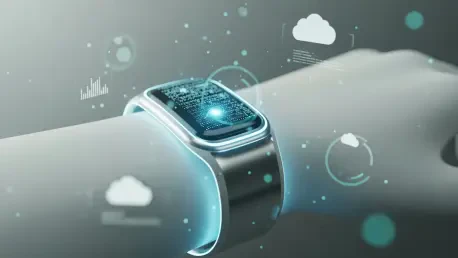
Hypertension remains one of the most significant health challenges of the modern age, affecting approximately one in three adults worldwide while remaining largely asymptomatic until severe complications arise. The historical difficulty in managing this condition stemmed from the lack of
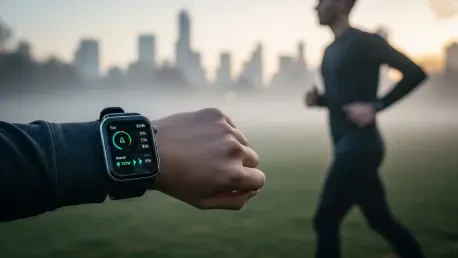
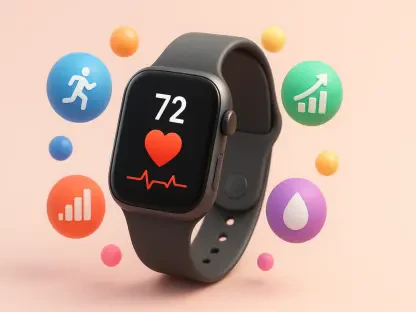
The days of glancing at a wrist-worn screen only to reach for a pocket-bound smartphone are rapidly fading as wearables transform into independent, high-performance engines of artificial intelligence. This shift represents the definitive end of the tethered smartwatch era, moving away from passive
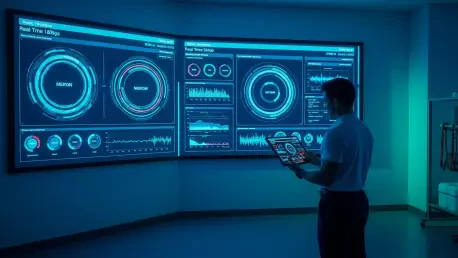
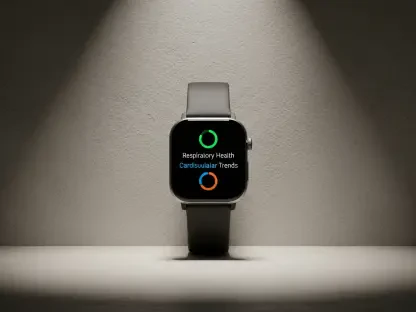
The rapid evolution of biosensing technology has shifted the focus from merely tracking steps to managing the complex physiological signals of entire populations through a single interface. While early wearable tech catered primarily to the fitness enthusiast, the modern landscape demands systems