
Insurers are transitioning from annual point-in-time risk assessments to continuous, data-driven monitoring to help policyholders identify zero-day vulnerabilities in real-time. This shift represents a broader departure from legacy security models that once relied on static perimeters and reactive

For twenty-four years, the federal government’s primary safety net for catastrophic insurance claims has remained dormant, creating a deceptive illusion of security that fails to account for the volatile nature of code-based warfare. While the Terrorism Risk Insurance Act (TRIA) was a vital

Fragmented technologies and technical debt have created an environment where global enterprises often lose track of where their crown jewel information resides. For global insurance giants, this reality is compounded by a digital landscape that expanded exponentially between 2024 and 2026, leading

While the settlement allows Managed Care of North America to resolve the class action without admitting wrongdoing, it establishes a clear path for restorative compensation for affected victims. This legal resolution comes after a significant cybersecurity event that compromised the highly

The interplay between immediate covered perils and long-term excluded wear and tear remains one of the most volatile areas of contention in property damage cases. In the complex legal landscape of Illinois, a policyholder cannot simply assume that a clear instance of damage will result in an
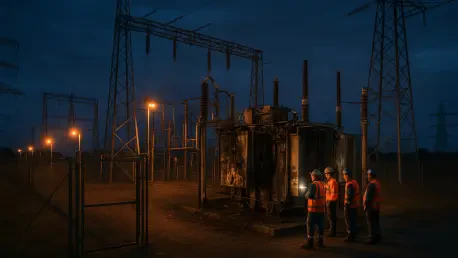
A flickering light in a Berlin apartment or a stalled assembly line in Munich no longer signals a simple maintenance failure but rather the chilling precision of a new kind of invisible conflict. As the landscape of security in Germany undergoes a radical transformation in 2026, the traditional